a volcanic attempt | asahidake ski tour
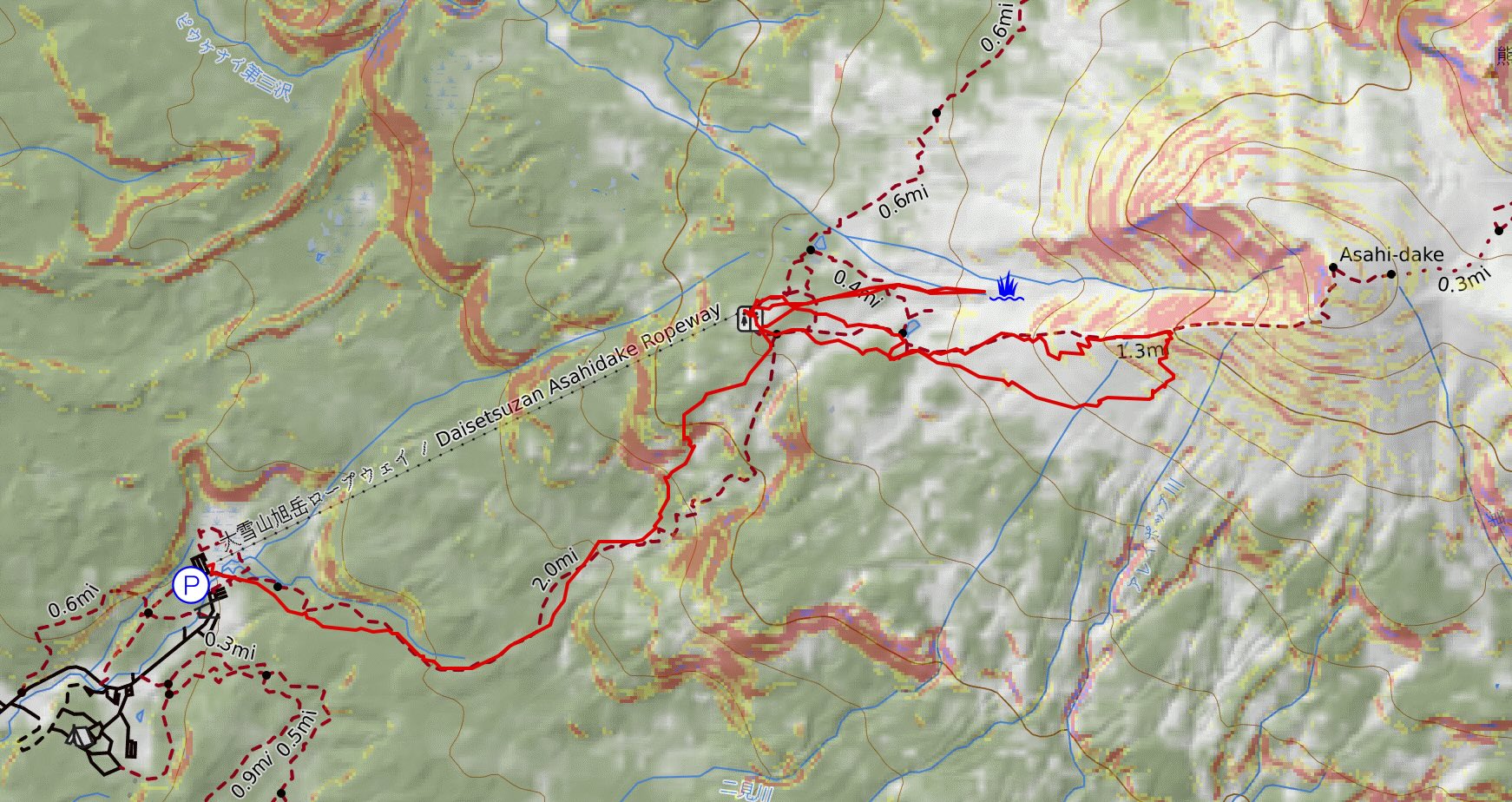
6.5 miles . 1700 ft gain . 6550 ft high
Daisetsuzan National Park, Hokkaido, Japan
Note: The distance and elevation gain can vary drastically. This was just the amount I did.
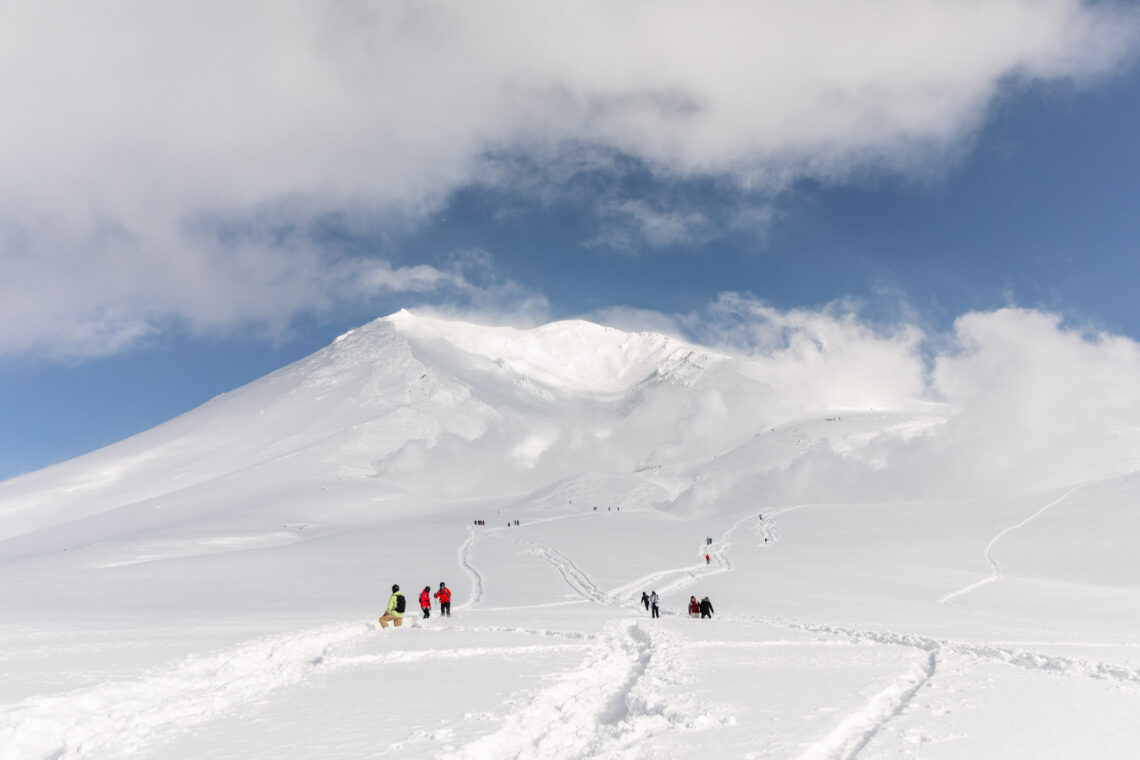
A skunked experience turned into a fulfilling day including a mishap on the volcano that sees the most search-and-rescues in Japan, especially for foreigners.
Step 1: Daisetsuzan Asahidake Ropeway
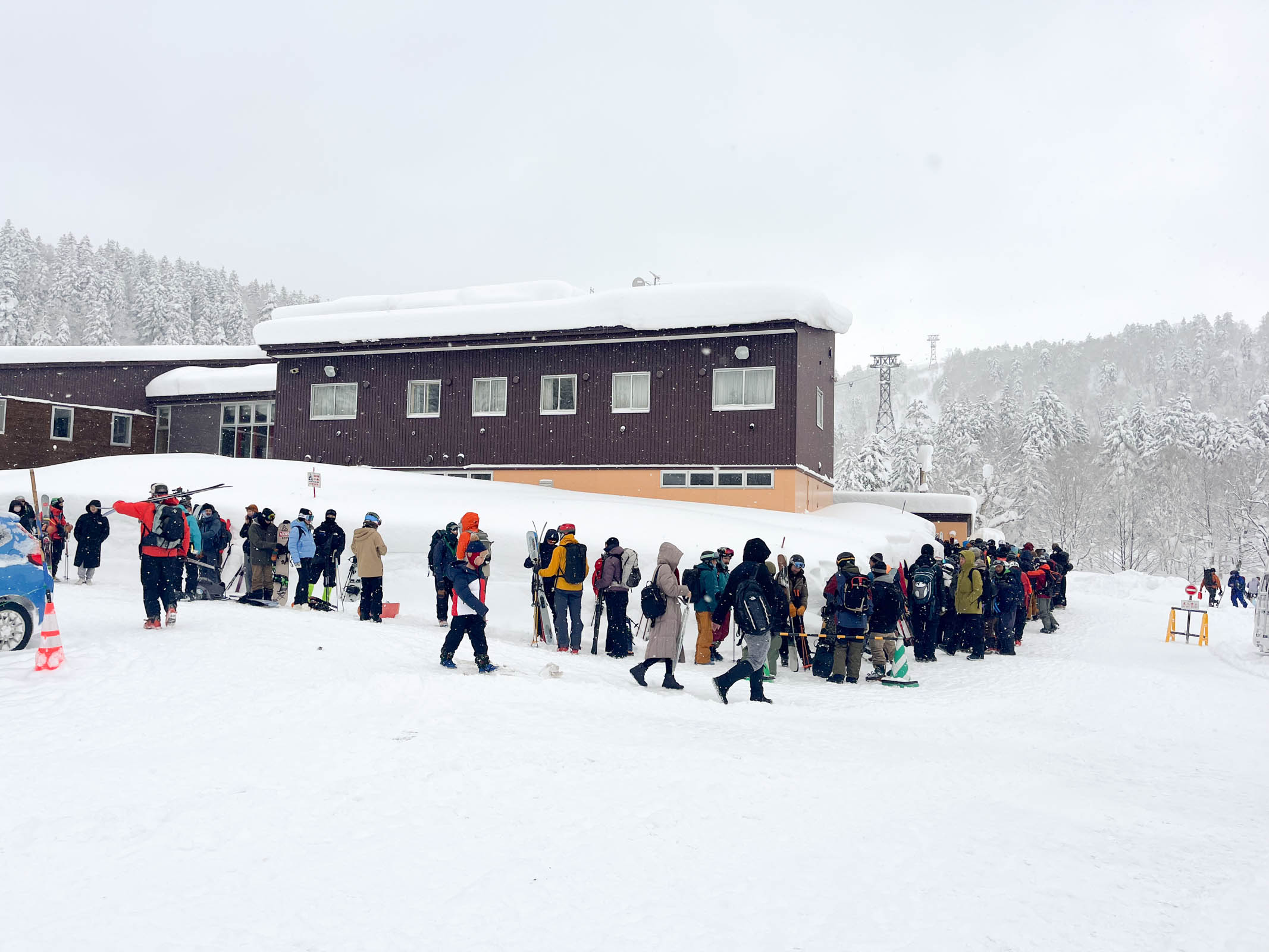
If you want to tour Asahidake coming from the Furano area, I couldn’t recommend enough to take the ropeway. You’re welcome to ski tour up the ski hill, but it’s a solid 1600 ft of uphill you could simply just pay $10 to save your legs and energy. The Daisetsuzan Asahidake Ropeway is very popular among all winter recreators, so I’d get there early (or later) to avoid the long line waiting for the ropeway to open at 9am. We were thoroughly confused lining up for the tram when we realized we needed to get the tickets at the booth ahead of time. It’s helpful to have a friend wait in line as you get the tickets. Credit card is okay!
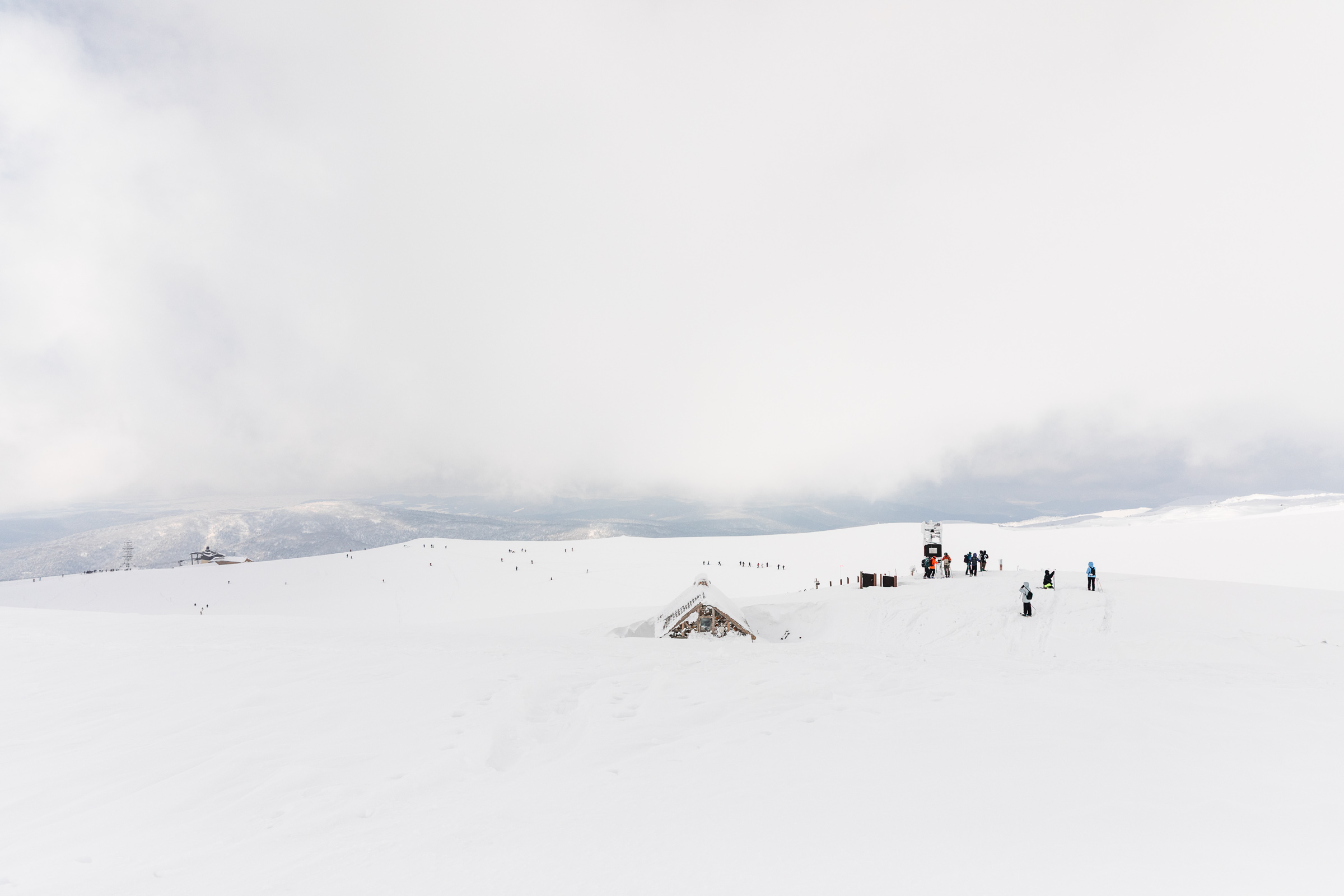
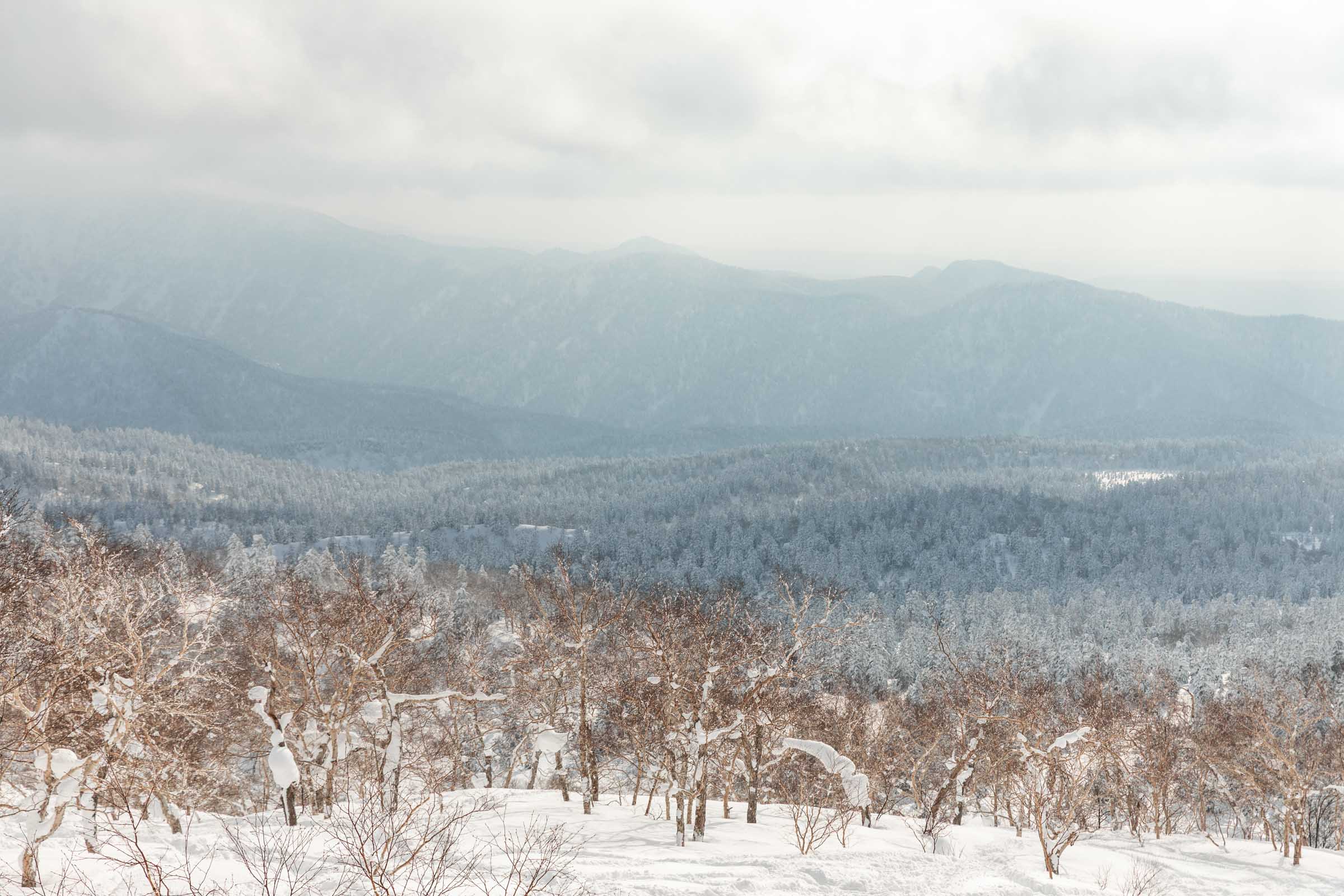
After you wait, wait, wait, take the tram up for a fun ride (I can’t say no to trams and gondolas!). And perhaps you’ll enter the clouds like we did but you’ll pop up above the treeline to a little building called the Sugatami Station. The facilities are limited. There’s only the bathrooms, some tables to sit at, and a vending machine. No food – that’s all at the bottom station.
Step 2: Ski Tour Asahidake
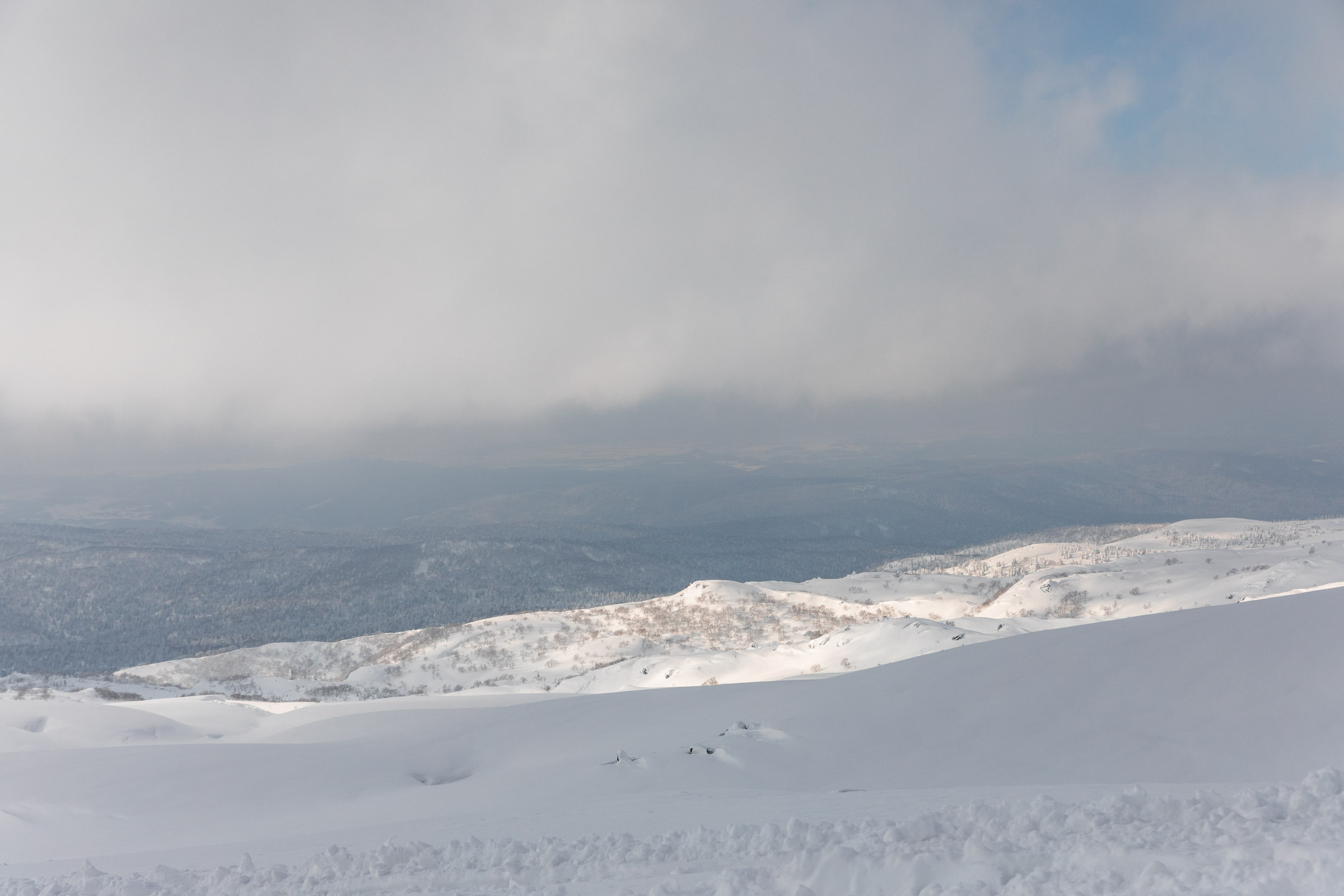
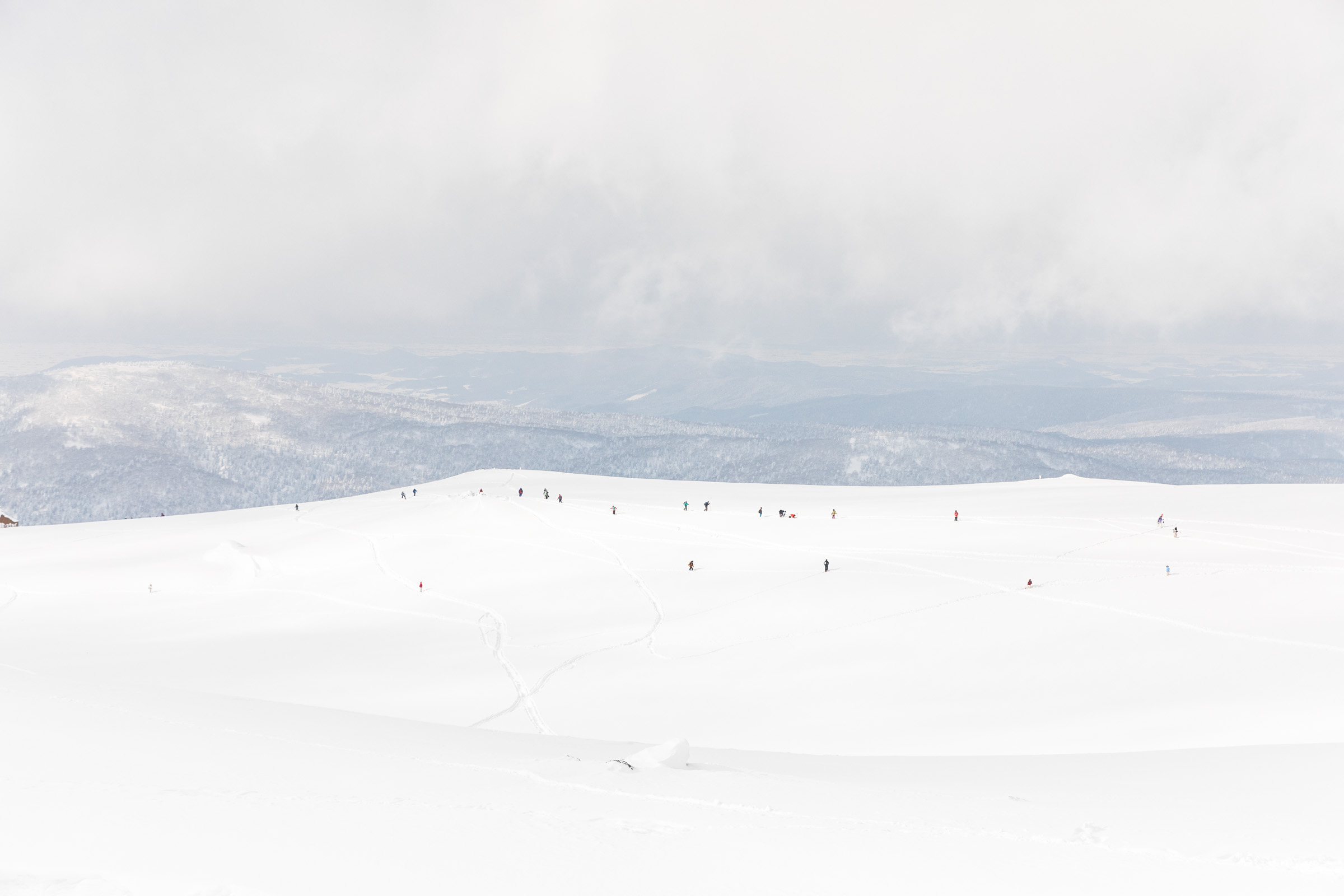
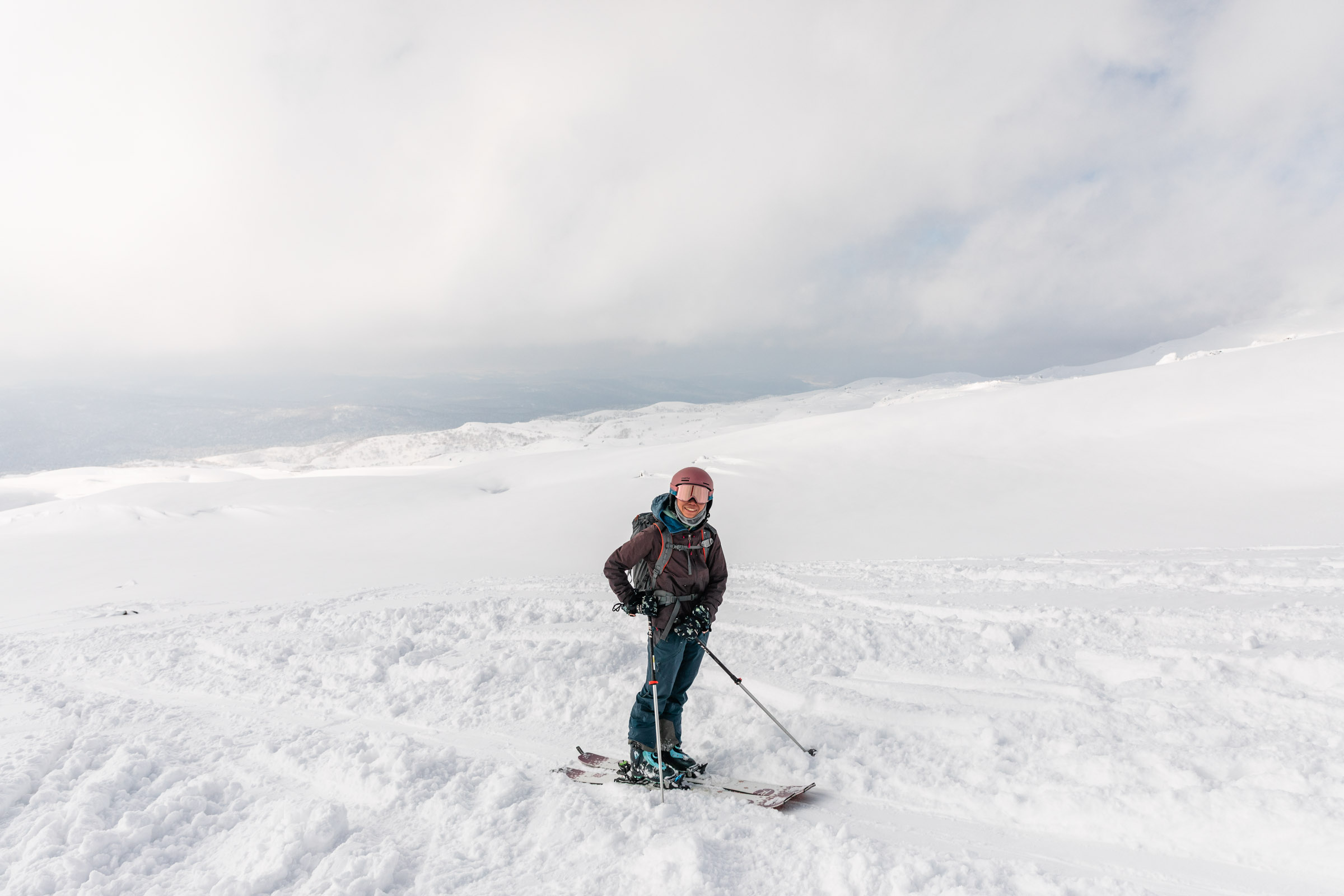
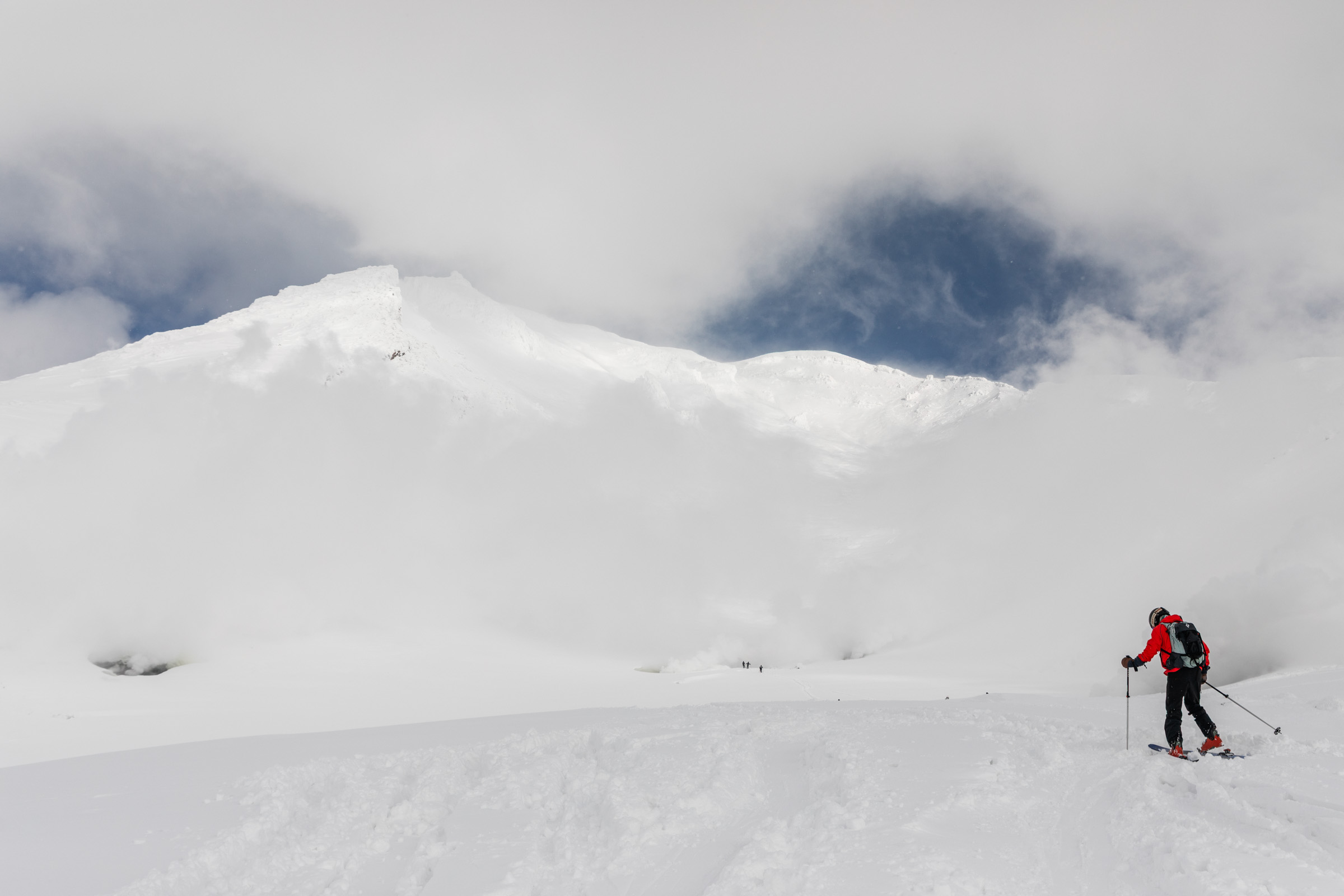
Brave the cold wind and head on up the volcano. It was a white out for us most of the way with brief moments of visibility when we could see how many people were visiting. There were plenty of signs warning us about how often people have to get rescued — we were determined not to be one of those! It was nice to follow skin tracks set by others, but clearly wind effect would blow over the track.
It wasn’t very long before we realized we were one of very few people out there. This was slated to be only 1400 ft elevation gain to the summit. But the gusts really did me good. Every time a strong gust blew through, I wanted to hunker down instead of pushing forth.
Eventually, we started to hit the icy section where some people decided to turn around and others booted up the ridge where the surface allowed for more purchase. But after 200 feet of annoying boot packing and wind, we gave up and decided to also turn around right when we saw another group. It was demoralizing that we only had about 600 feet to the summit and it looked as if it would clear up, but the weather was doing us no favors. I do think this caused me to catch a cold (too warm while moving, too cold while stopped) and a nasty start to our last ski tour at Mount Yōtei later that week.
We carefully transitioned from boot packing to downhill ski mode. Apparently in the guided group, the guides all assisted their clients to the transition so all they had to do was sit and wait. How lovely (but also how cold). Unfortunately as we readied ourselves to descend, Kyle’s skis randomly popped out under him and caused him to slide uncontrollably a solid 50-75 feet. It was both frightening and slightly embarrassing in front of the guided group. We did not want to be a cause for rescue. One ski stopped as he stopped and the other kept flying down the hill into the whiteout fog. Thankfully, the guides were so nice and level headed that it helped us from going into panic mode. They were so positive and so correct in thinking that the ski would have fallen and stopped straight downhill. It was also good that the slope mellowed out, but were it to slide further down the mountain, we’d be further away from the ropeway where we needed to go.
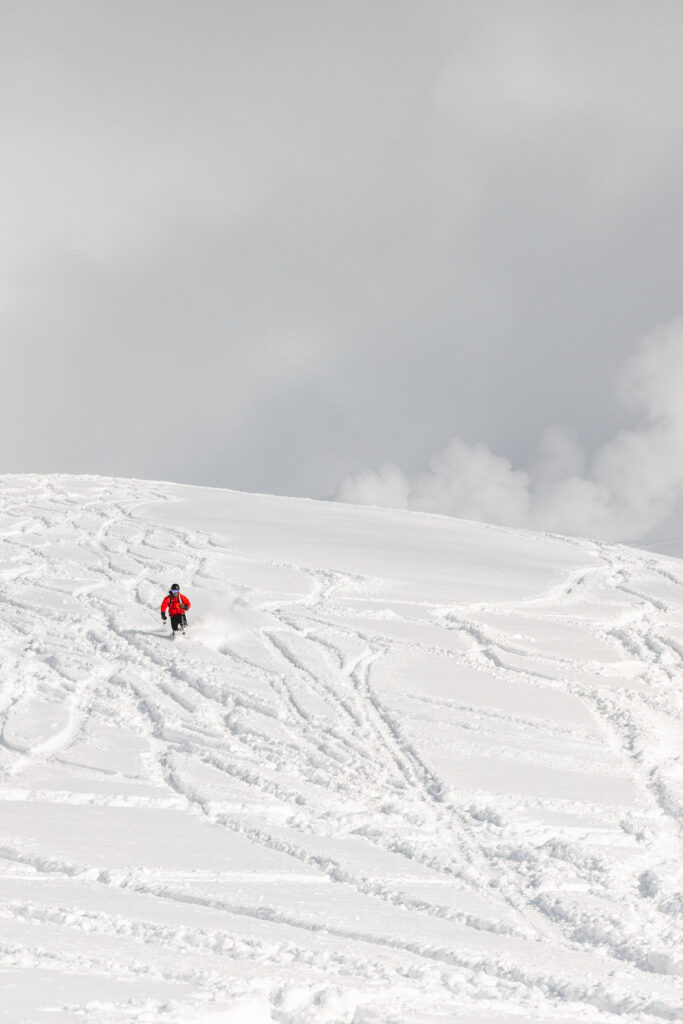
The clouds parted and we finally got a peek at where the ski landed and I cautiously navigated the icy terrain to the runaway ski while Kyle skied behind the guided group on more soft snow. The guides really knew what they were doing. Regrouped and calmed down, we got a few lovely turns before traversing over to the ropeway area.
Of course by this time, the sun started shining and it was warm and beautiful. We needed a solid break in the Sugatami Station. Onigiri to the rescue for our spirits!
Step 3: Check out the fumaroles
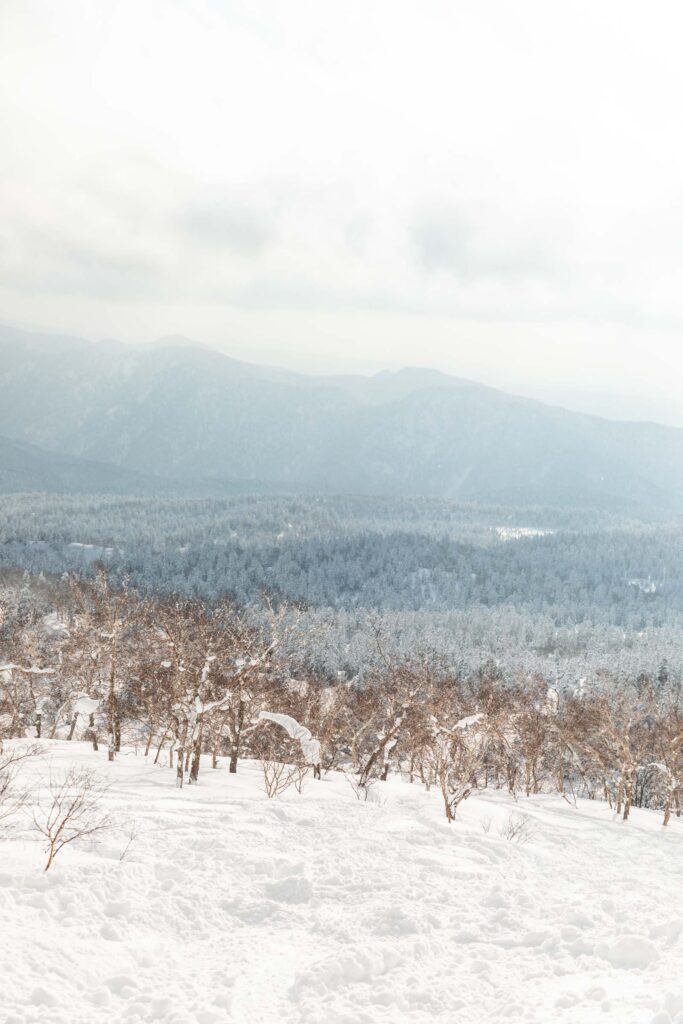
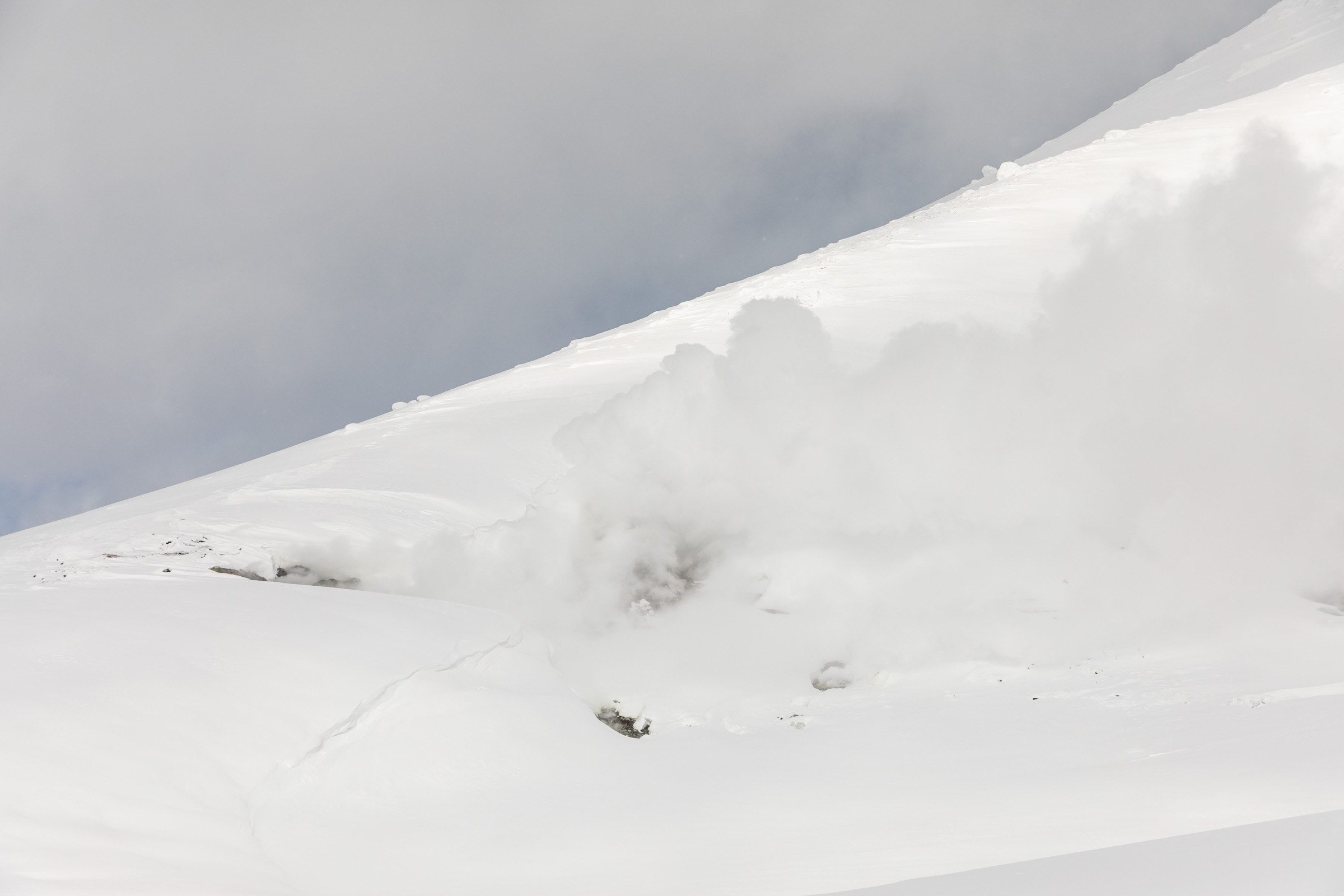
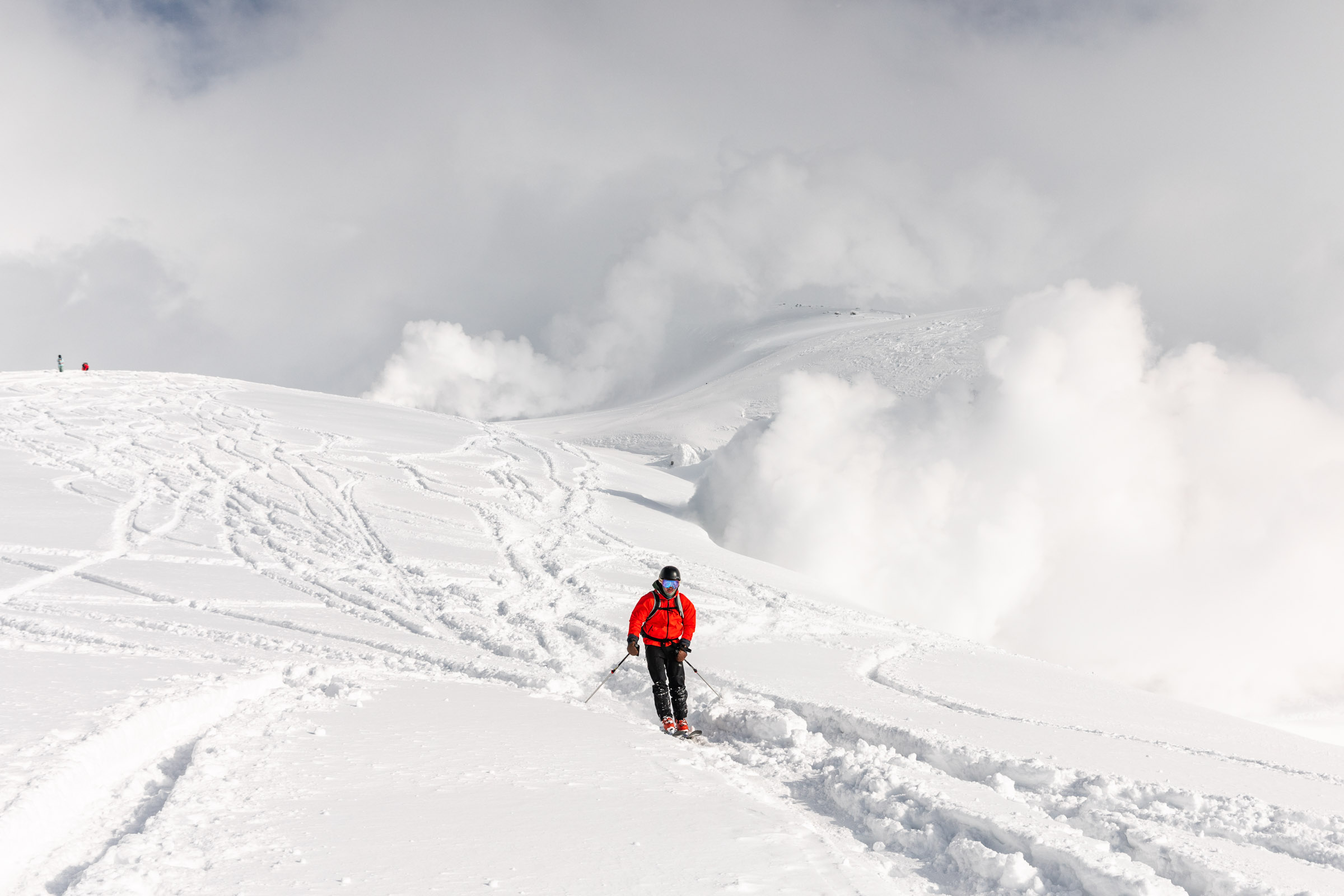
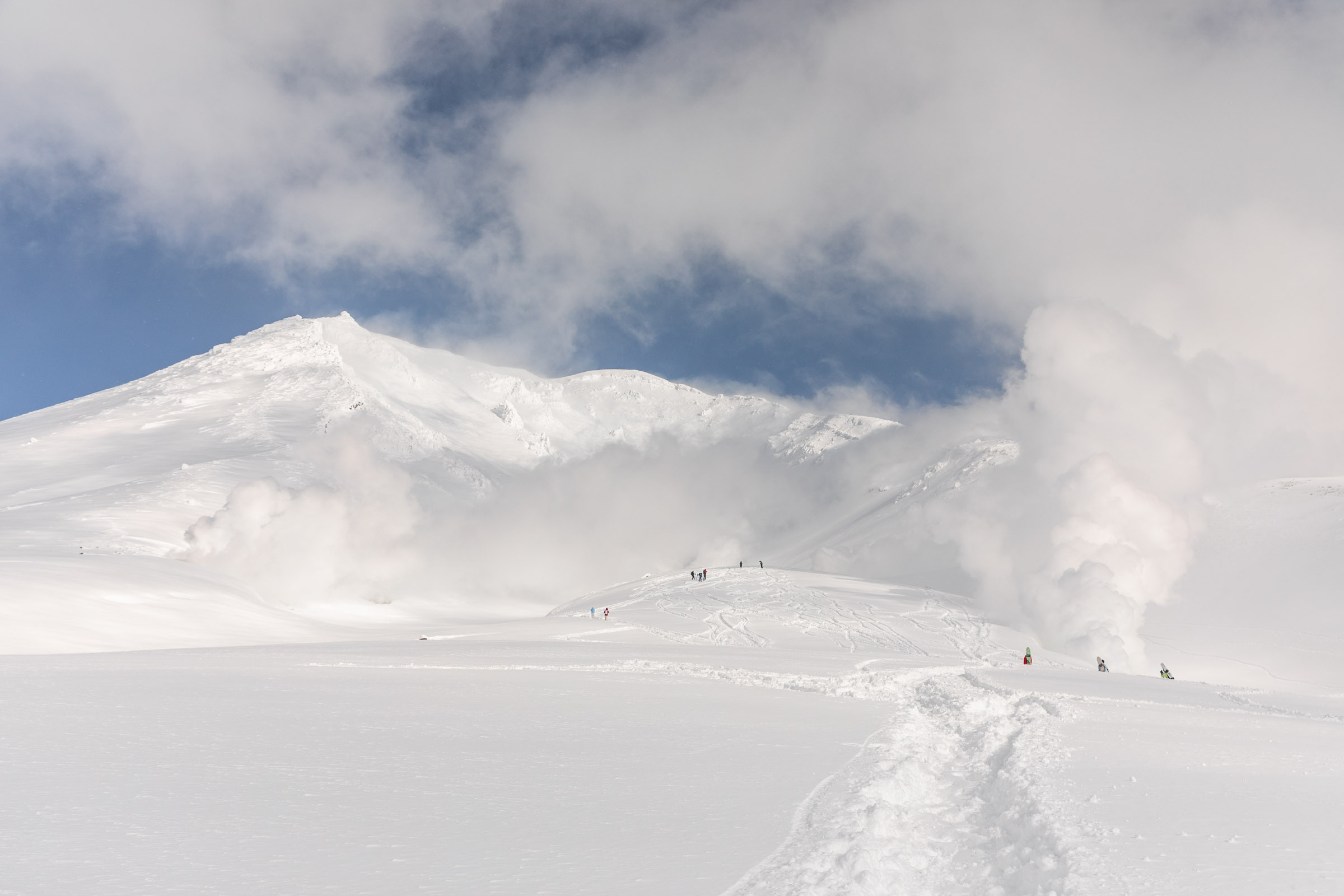
We only ski toured about 800 out of the intended 1400 feet, so that felt like a bummer. So we decided to tack on a little more by checking out the fumaroles, which was actually the suggested route on Hokkaido Wilds. So much for trying something different! It was a short walk to several fumaroles but we didn’t get too close. Just close enough to see their power and smell the sulfur. And just the right amount so that we would have a simple transition to ski downhill. Skiing is probably an overexaggeration. It was more like a few turns and then gliding on the post-holed track. An objective we could check off, huzzah.
Step 4: Ski the groomer
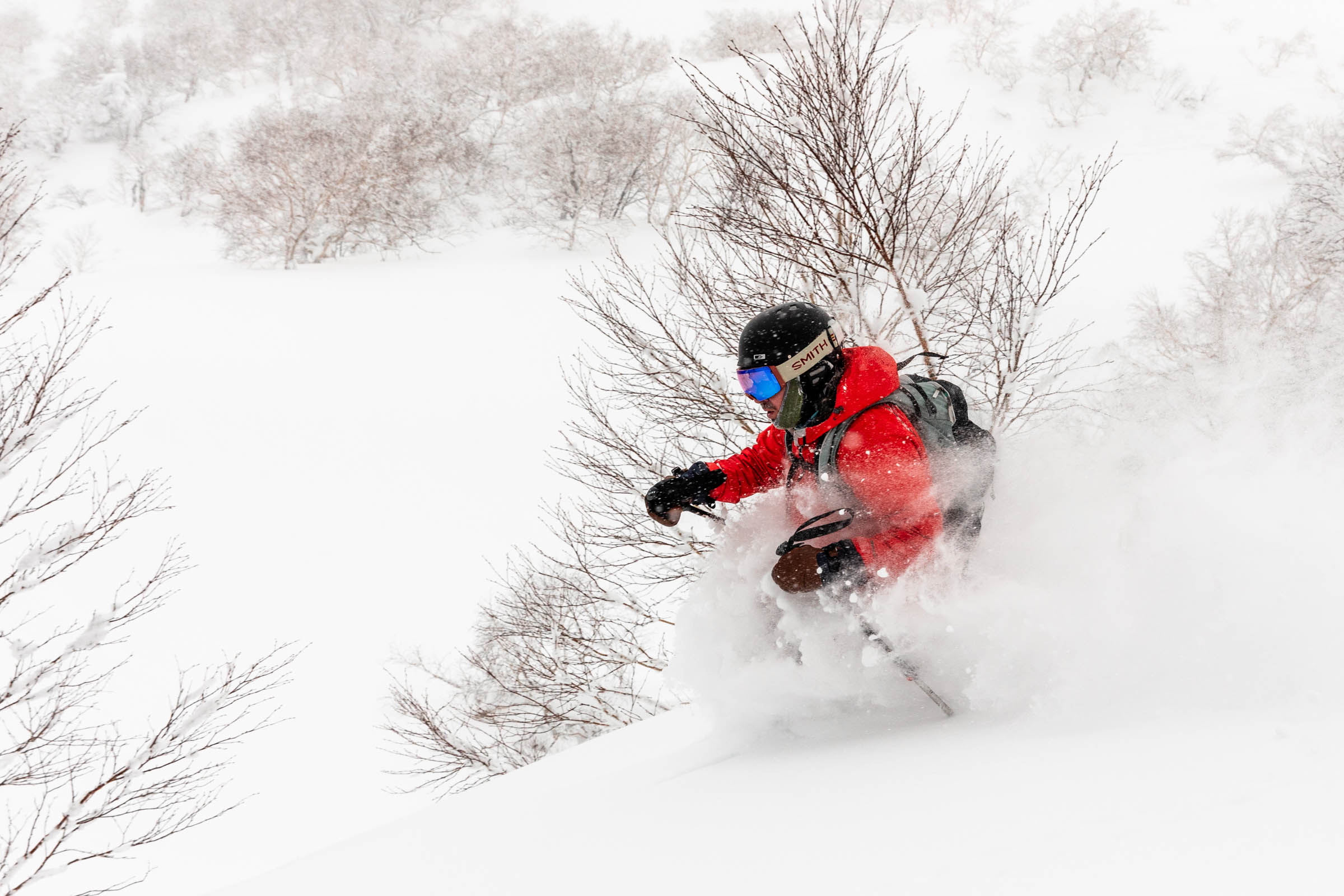
Technically while only one tram/ropeway in the area, this was still considered a “ski course”, like a step below a ski resort. There were something like 4 different paths to get down on the groomed runs, but we picked the “harder” route and was able to ski some off-piste powder about 400-500 feet down. We then quickly had to merge to the groomer since the slope was not as steep anymore and we needed the glide to get down to the base. It was a great way to end the day on a high note. Plus, ice cream was waiting for us at the Sanroku Station.
Bonus: Asahidake Visitor Center
I love going to visitor centers and learning a little about the area, such as the geology and wildlife. If you have time, check them out! They also rent snowshoes and xc skis if you want to venture around or take them up the ropeway.
Notes
- Parking: There’s a few lots and they get packed quickly. Navigate to the ropeway and take whichever lot you get to. I ended up parking next to the Asahidake Visitor Center.
- Ropeway: I highly recommend paying for the Daisetsuzan Asahidake Ropeway to save time and energy. A ropeway is simply a tram. They might have different operating times depending on weather and season. People tend to line up early and you’ll need to get tickets before you line up or send someone to buy it at the desk. It’s 1700 yen one way, about $10 USD. You can also download, but you might as well ski if you’re skiing
- Facilities: The lower Sanroku Station has a shop, a restaurant, ticket office and bathrooms. But the upper Sugatami Station only has a vending machine and bathrooms. Both have limited indoor seating.
- Experience: There are A LOT of people here. The crowds are intense and you’ll see lots of people but if you’re going for the summit, the crowds thin out drastically. This is a popular location for snowshoers and hikers. And honestly less of a good ski tour experience if you’re only going to the fumaroles. From other trailheads or for a longer experience, there’s a hot spring you can ski to and other routes around Asahidake. Check out the routes at Hokkaido Wilds
Photos taken on Canon 5D Mark IV

You May Also Like

best of singapore
fall in the northern japanese alps | nagano prefecture