a week in japow // skiing in hokkaido
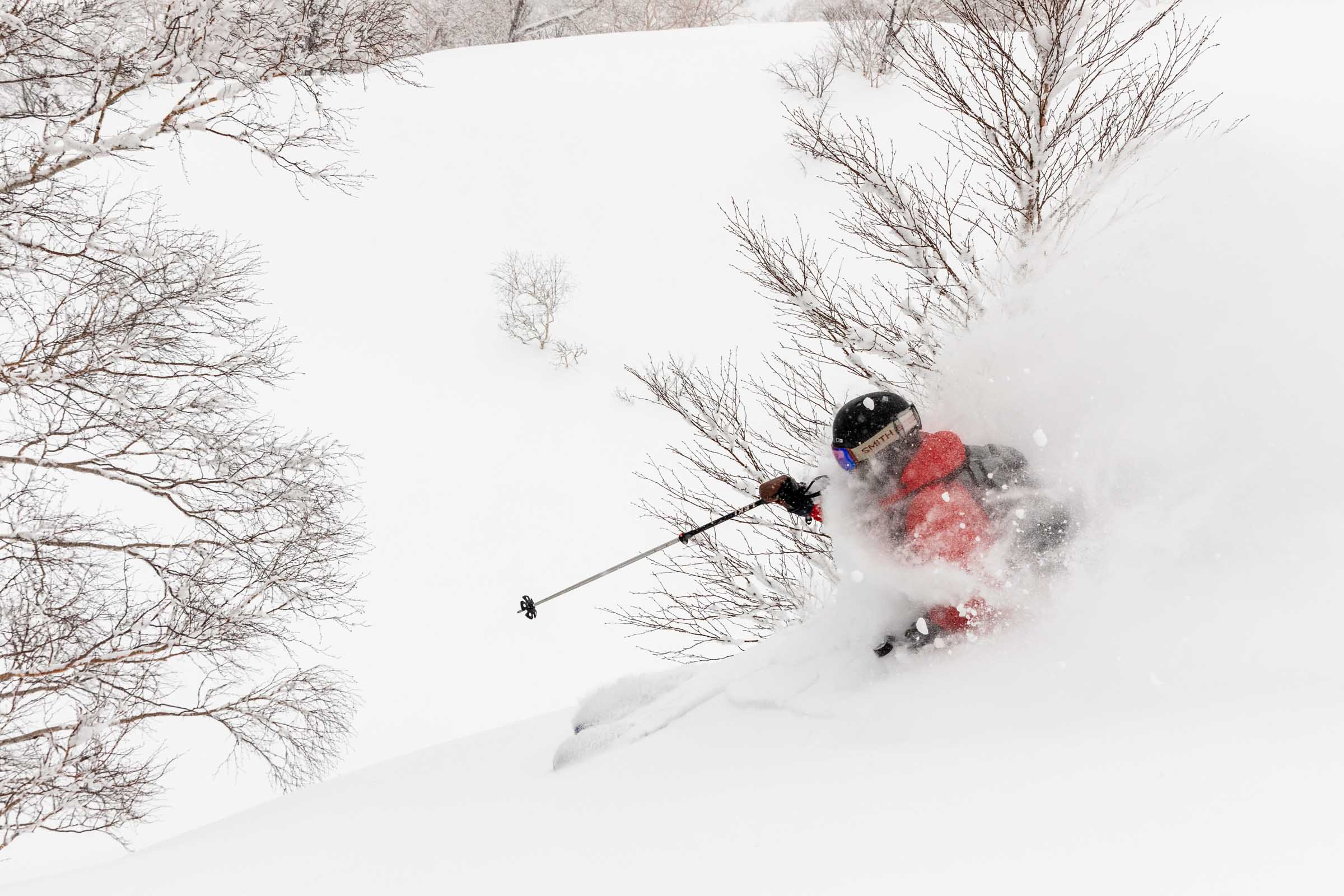
If you’re a skier, chances are you’re heard of the phenomenon called “Japow”, aka Japan powder. Hokkaido is specifically known for its champagne powder snow. That deep fluffy snow that people have recently become more obsessed about. Since the currency exchange rate dropping for Japan, there has been a noticeable rise in tourism to Japan. The past few winters, I’ve seen so many friends and internet acquaintances visit for the craze of Japow. Finally it was my chance to visit this past winter. It was exciting to go back after visiting Japan in the fall.
There’s so many ways to properly accomplish Japow, but my biggest recommendation is staying in one area such as Hokkaido (north island) or Honshu (main island). It was much too hectic to travel everywhere. Since the IKON pass absorbed a few more Japanese ski resorts, we stuck to those, although it would be relatively cheap to buy day passes and not rely on a big ski pass.
My experience: Japow is everything and more than you could’ve dreamed for, especially for such a terrible winter we’ve had in the PNW. It’s surprisingly not overhyped, though I suppose specific locations do get overhyped. Let me explain it all so you know exactly what to expect for your next Japan ski trip!
I decided to only bring ski boots and rent all skis depending on location to save the hassle of packing skis for tight travel days. We rented a car for flexibility to ski tour. We toured inbounds and backcountry at Furano and Niseko. The Ikon pass covers both resorts, but they are also not pricey if you get day passes, around $60 USD. Our itinerary was largely based on weather but we had rough ideas for what we do, just not exactly which days to do them.
- Day 1: Arrive and ski Furano Resort
- Day 2: Ski tour Kaun Bowl
- Day 3: Ski tour Asahidake
- Day 4: Ski Furano Resort and drive to Niseko
- Day 5: Ski Niseko
- Day 6: Ski tour Yotei and depart
Getting Around
Getting to Hokkaido
While there are two main ways to get to Hokkaido, my best recommendation is to fly since it is cheaper and takes less time. However, I’ve heard that the train to Hokkaido is a beautiful ride along the coast (costs around $100 USD and several hours from Tokyo with a transfer). There are many flights from Tokyo to Hokkaido, many of which are in the $40-60 round trip range. I’m excited for more Sapporo international flights to make the travel simpler than flying into Tokyo first!
It can be fun to stay a night by the airport or in Tokyo to give extra buffer time for the next flight instead of rushing through the airport, especially when your connecting flights are run by different airlines. We took Hawaiian/Alaska Airlines on their new direct Seattle to Tokyo route and then Peach Aviation (budget airline) from Narita to New Chitose Airport.
Public Transportation
Once you’ve arrived in Sapporo or the New Chitose Airport an hour outside the city, decide whether or not you want to rent a car. The beauty of Japan is its incredible public transportation. In theory you can get everywhere by train and then bus, even in the winter. However, you’ll have to budget extra time for travel and less frequent timetables. There’s plenty of shuttles and buses that take you up to the ski resort if you plan well enough.
Driving in Hokkaido
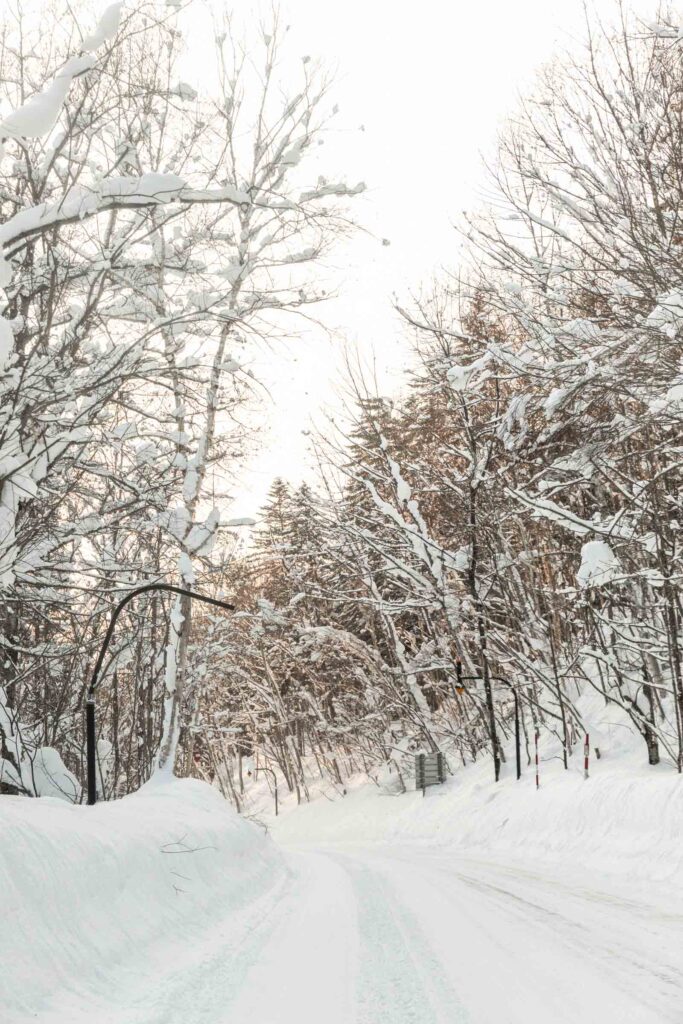
There’s a lot of car rental companies and many are Japan based like Toyota Rent-a-car. There’s also international chains like Avis or Budget. Either way, the companies are quite reliable and very thorough with their rentals. In Hokkaido, all cars are equipped with winter tires in the winter. I was quite stressed about it prior, but Hokkaido is entirely snow covered so it is a requirement for all vehicles and rental companies to be snow prepared. We even got a windshield scraper which was super helpful.
I believe that all rental cars are automatic, a welcome change from renting in Europe. But the difficult thing is if you’re coming from a right lane driving country like the US, switching over to the left side can be challenging, especially on snowy conditions. The saving grace is that roads are fairly empty so you don’t have to stress so much with other cars around. Locals will pass you if you’re slow, but so be it.
It was mildly beneficial that I had drive on the “opposite side” before while traveling around New Zealand but it had been so long it was hardly useful. The main difference other than the driver sitting in the right side is that the windshield wiper and turn signal levers are swapped. Gas and brake are still right foot.
Pay attention to what signs mean! We quickly learned, you can never turn on red. We also quickly learned the Japanese character for stop since some signs only showed that instead of “stop” and many of the Hokkaido roads would also show a blue sign with a white line showing where you had to stop for the intersection. This is smart because you can’t see the lane lines in the winter.
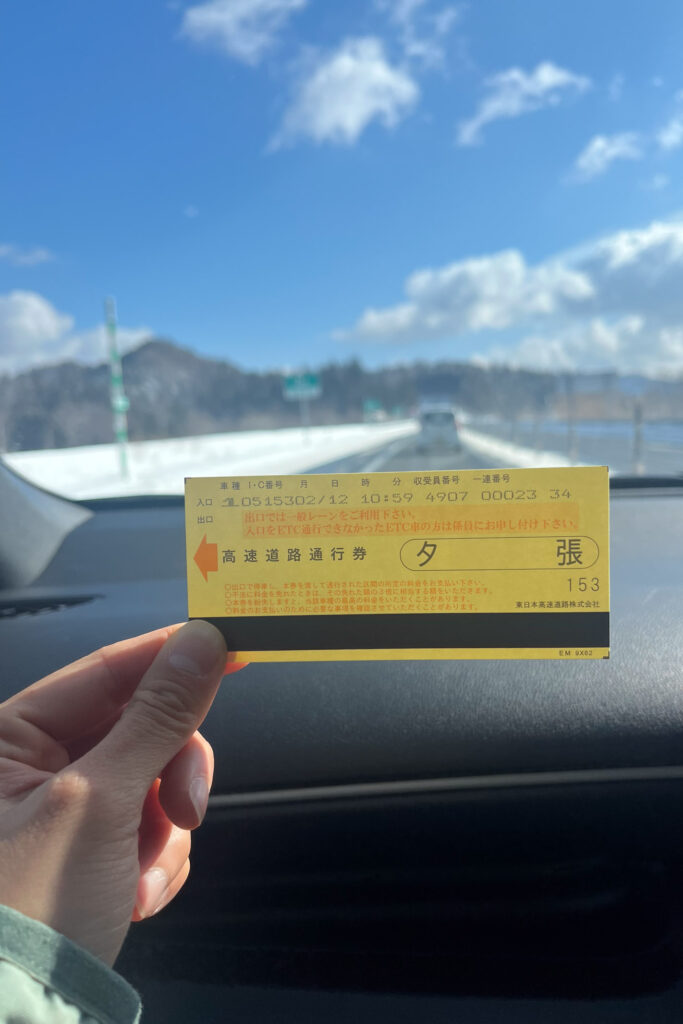
There are several toll freeways that were more snow free while we were there. You can get an ETC card or pay by cash. I was surprised how much it worked like in Italy where you take a ticket when you enter the freeway and then it calculates how much you’ve driven and you pay the cost when you exit. The general lane is the Japanese characters. It helped me so much to know basic Chinese to give me a slight leg up.
On mountain roads in particular, there are overhead arrows that show you where the left of the lane is, probably for the snow plows. Don’t be like me and drive straight under the arrows. Oops! Occasionally places like Hiram at Niseko have heated streets, but it is not common everywhere. We did learn that streets are often heated by the hot spring water if you ever see the water spurting from the ground. How cool is that?
Weather
Segway into the weather. Hokkaido is known to have the best snow in January – February. We went mid February and it felt quite perfect, not too cold and some fresh snow. Like anywhere, weather can change day to day and it can be hard to predict too far in advance what weather you’ll get. But in general, Hokkaido tends to stay cool, preserving much of the light snow. We did encounter some warmer days that added a melt-freeze layer, but nothing too terrible. This is why it’s a good idea to sprinkle in some inbound days if you’re planning to tour. And obviously the higher up you go, the better the snow for cooler temperatures. I was just excited that while we were there, the weather wasn’t as cold as a March trip to Banff, the powder highway of Canada.
In the week we were in Hokkaido, storms rolled through quickly so we got a good mix of cloudy and sunny days. Since Japan is an island, weather passes through rather quickly. In general, it seemed like weather rolled in from the West. Niseko and Furano often have different weather patterns since they are on different sides of the island. For example, when a smaller storm rolls in, Niseko could be cloudy when Furano is sunny and vice versa.
Culture
Currency
It is good to have cash on hand for buying food and toll fees (if you don’t have the automatic card). Ski resorts will take credit card but not necessarily tap to pay. Some restaurants take card too, but you have to check. ATMs are everywhere. I find that bank-associated ATMs are better for fee-free exchanges with your home bank. There’s always an English option on the machines, so read the instructions carefully. For 2 people I got by with about 300000 yen for the 6 days we had in Hokkaido and used credit card when possible for a couple meals.
Onsen
If you want a unique Japanese experience, look for ryokan when you are booking lodging. They are traditional Japanese inns where you’ll likely sleep on mats on the tatami floor. But they’ll also have that traditional onsen (hot spring spa) experience. They always separate the men and women. Most places will switch the spa rooms every day so you can try out the different spa if you stay more than one night. And yes, you do have to be naked. I honestly found it quite uncomfortable the whole time, but still made peace with it, cause where are you supposed to look? Do you close your eyes? Do you make small conversation? It’s also the same place where you’ll shower sitting on stools, which also feels equally uncomfortable. But it’s about the experience right? There’s some ryokans that will have private baths but some where you must take a shower in the public bath.
Furano
Enough of logistics, let’s talk skiing!! Furano valley is in the heart of central Hokkaido, made up of 3 distinct towns. Furano is the biggest and is adjacent to Furano Ski Resort. I stayed in Kamifurano to be closer to Asahidake and other bigger mountains for ski touring, although Furano’s west mountains have plenty of options too.
Furano Ski Resort
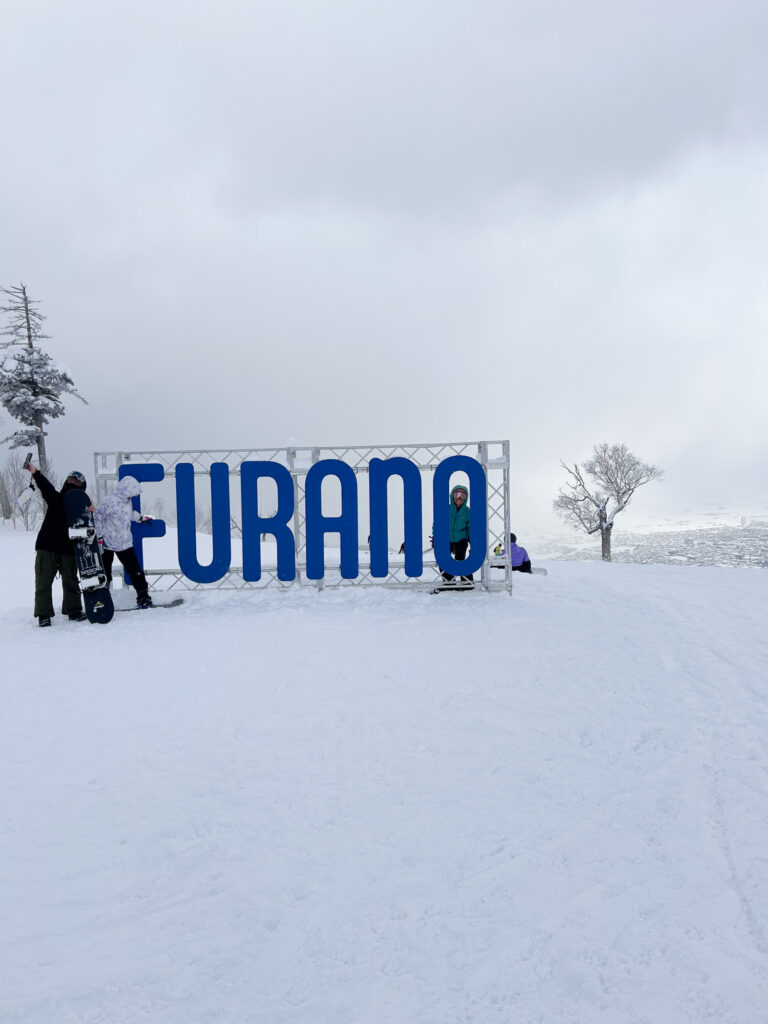
We spent 2 days here and rented skis straight from the resort. There’s something to be said about not hauling your skis to the car! They have 5 hour or full day options to rent basic gear and premium gear. I did see nearby accommodations with ski lockers, so that’s a great option if you’re bringing your skis.
The ski resort has 2 sections and we checked out both bases (both have same ski rentals). They are connected by a traverse route and a lift, depending on which direction you’re headed. I rather liked the Kitanomine (right) side because it had longer stretches of skiing fall line. There’s a section that they call “extreme danger zone” but it actually just means that they preserve the snow by only opening it 10am-2pm certain days. It’s just great off-piste skiing! An Australian we talked to told us about how you can just cut the rope and not always go through the gates (hmmm) but there’s lots of great side country you can ski and still return back to the main base. Unfortunately we only got one run through the extreme danger zone. It was still fun to ski the groomers and explore the other off-piste areas on the Furano side of the ski resort.
In terms of lodges and food, the mid mountain lodge seemed to be western food (think burgers and fries) and I was not super interested. The food at the base seemed better and more Japanese style which was fun, but the food wasn’t anything to speak of. I was surprised by how many international ski instructors there were, clearly catered towards foreigners.
Ski rental: Sportpia Furano at both bases
Asahidake Ski Touring
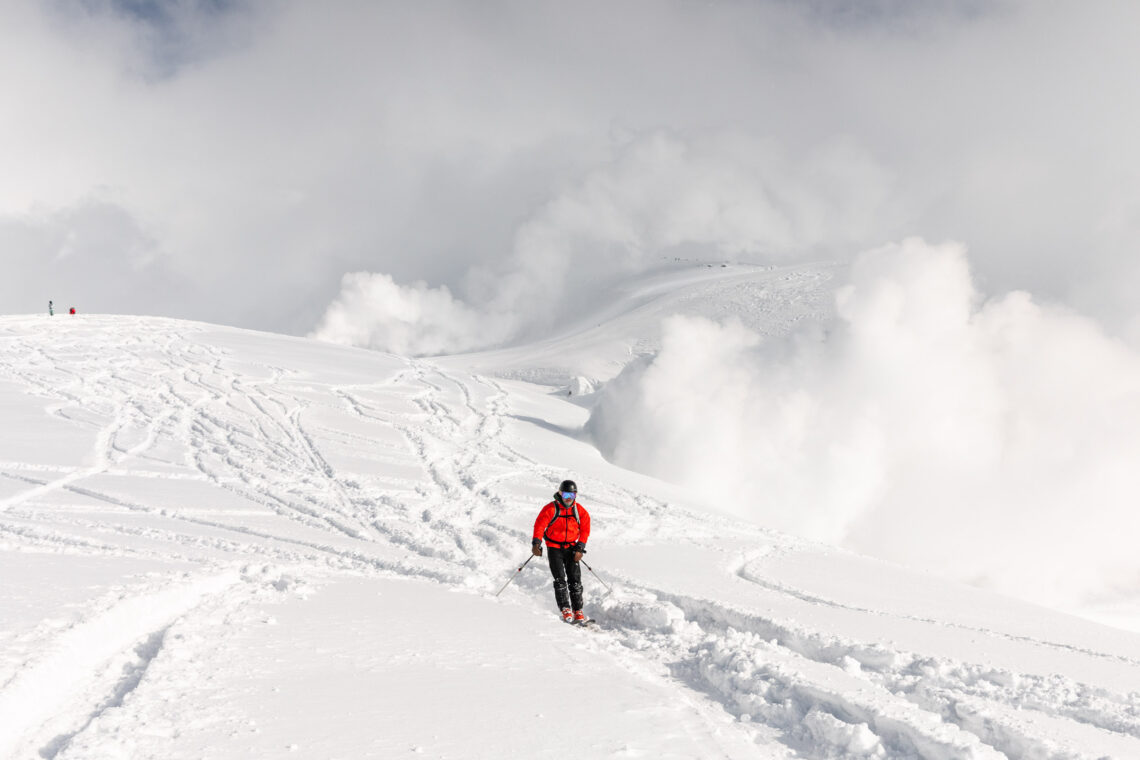
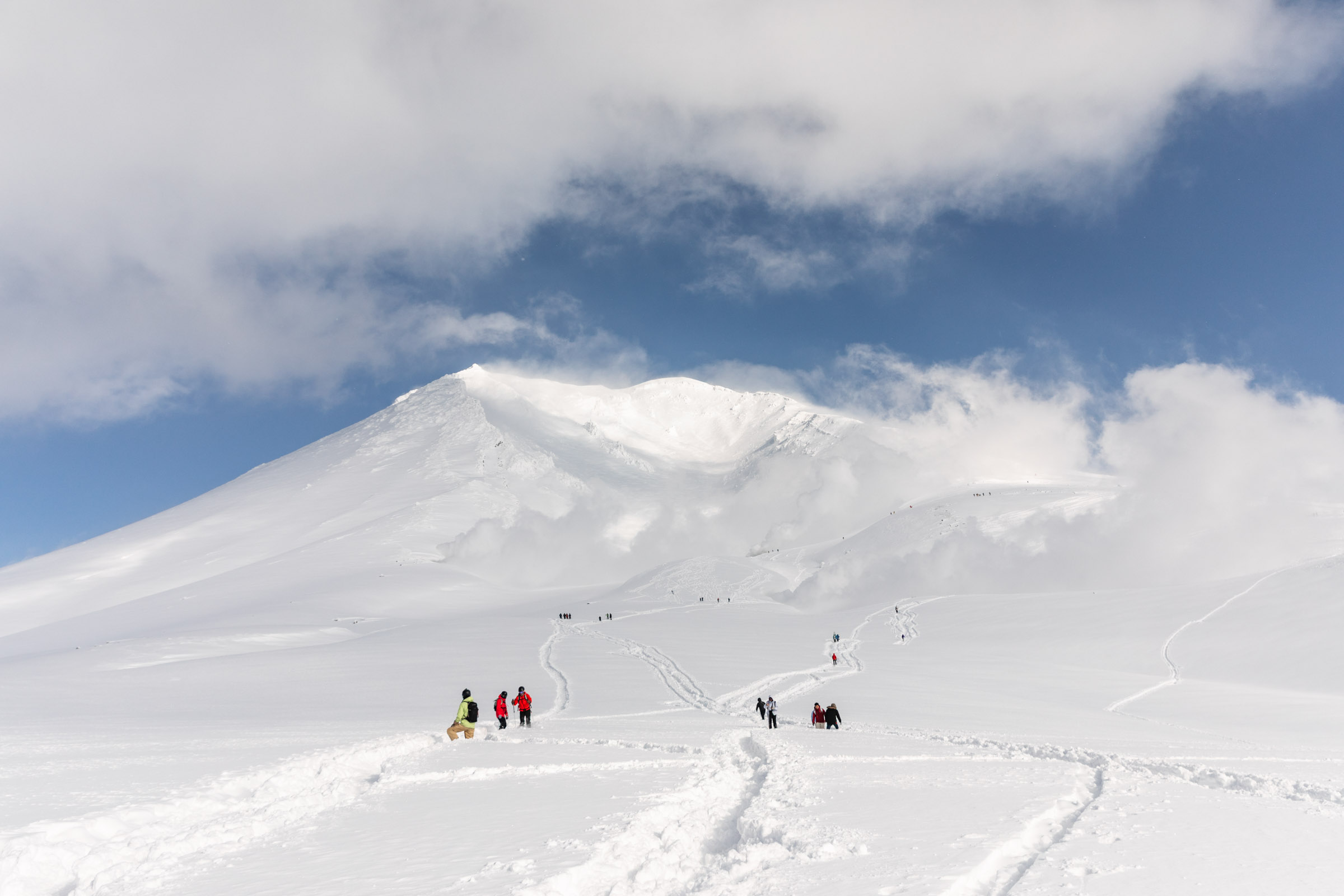
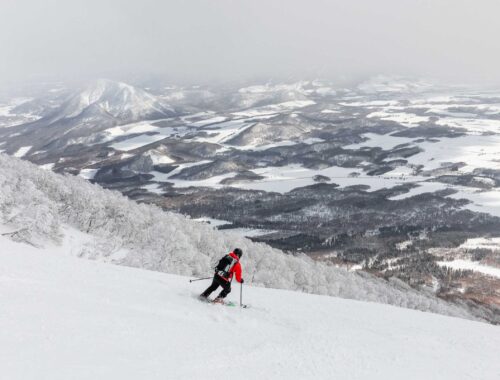
Asahidake is probably the most famous “backcountry” area in all of Hokkaido. One ropeway (tram) serves all the visitors, whether you’re skiing the groomed runs, ski touring, snowshoeing, or simply checking out the views up top. It is quite cool that you can experience fumaroles, the sulfuric clouds from volcanoes. Read more about the experience of ski touring at Asahidake.
Mt Furano Ski Touring
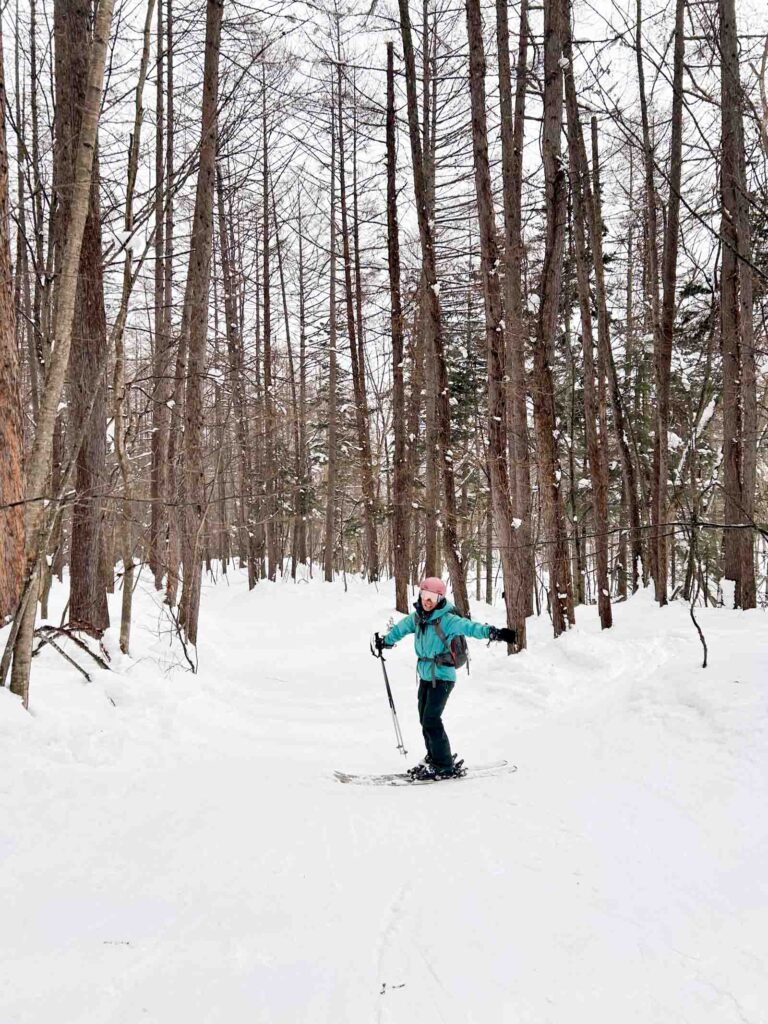
We also spent a day ski touring near Kamifurano. There’s so many places to choose from and we ended up picking just based on proximity to our hotel. If you’re relatively new to ski touring and trip planning, I would highly recommend hiring a guide to show you the area and feel more familiar. We chose not to hire anyone and definitely had a couple run-ins of learning hard lessons. But we still had fun, so make the best decision for your group. Read more about our experience ski touring at Furano.
Bonus: Shirahige Falls & Blue Pond
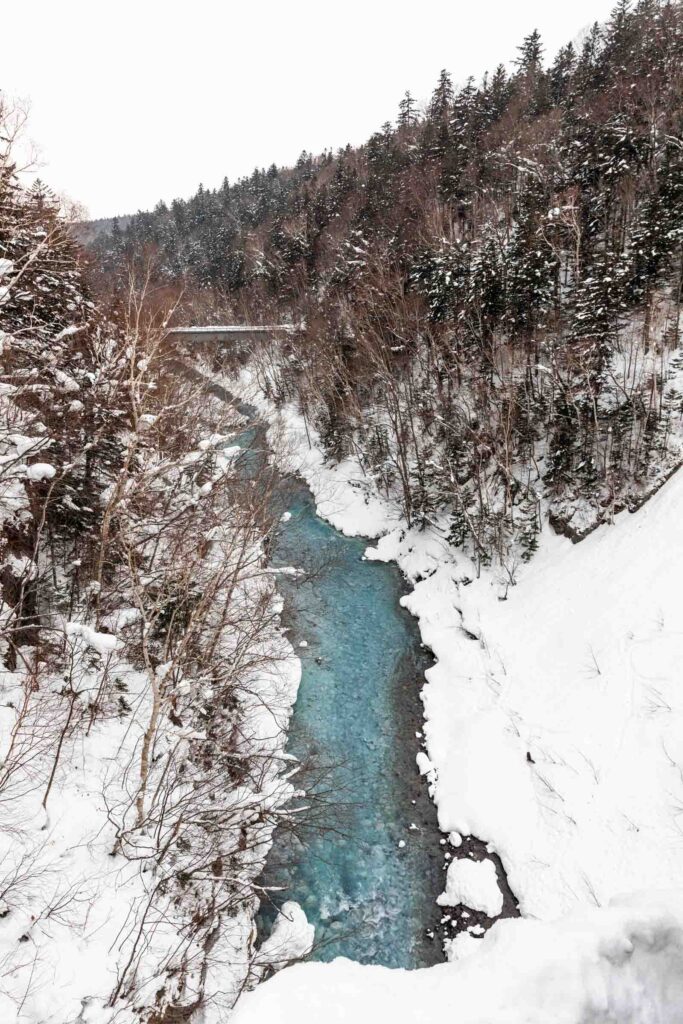
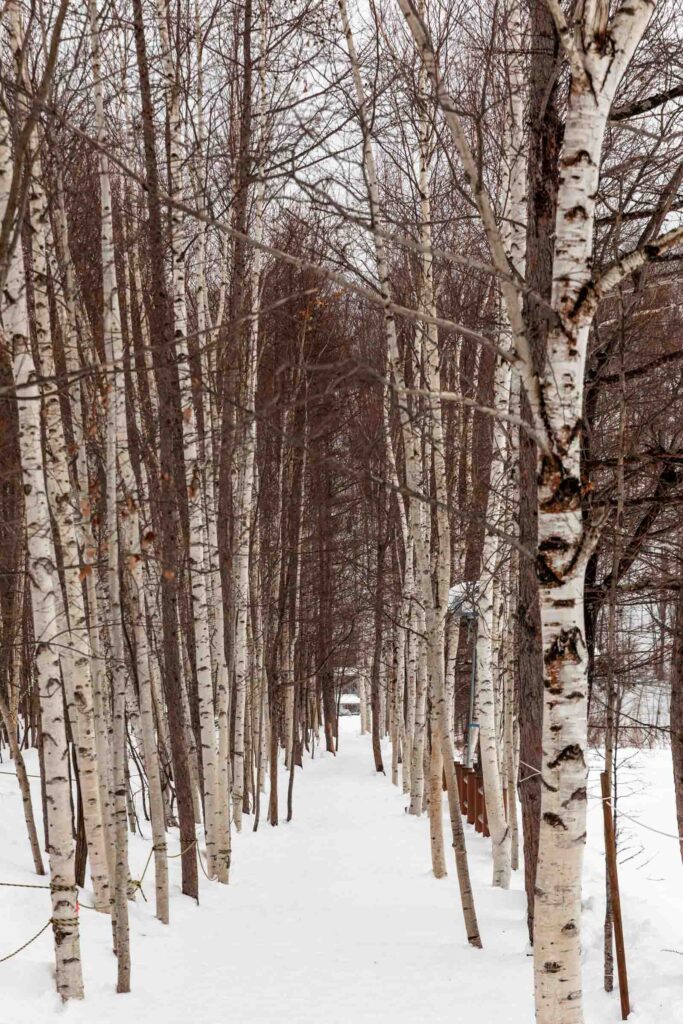
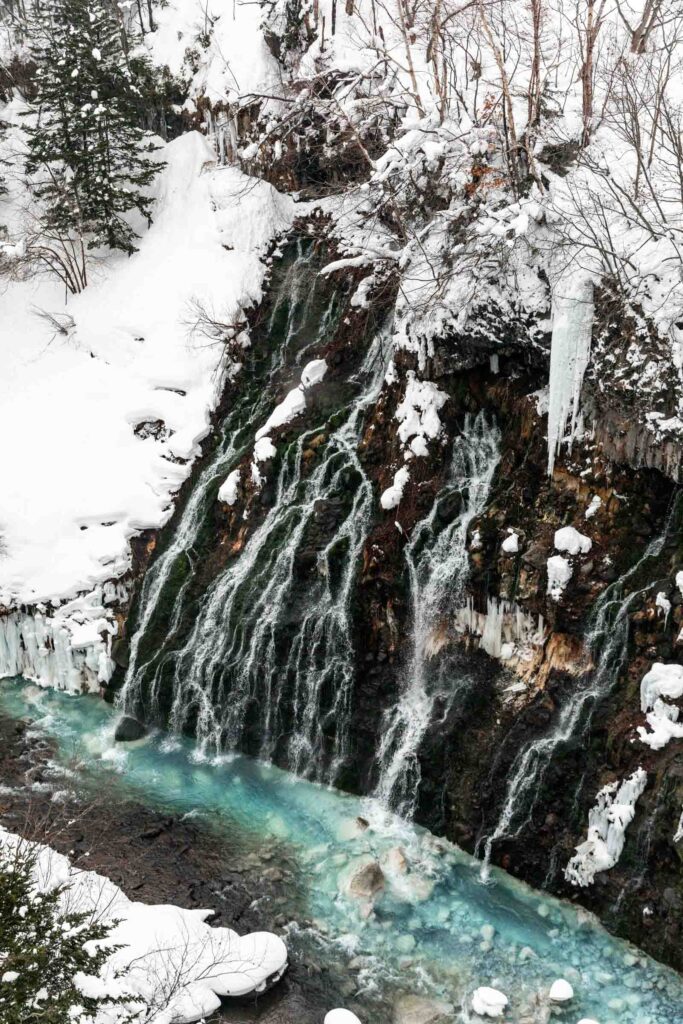
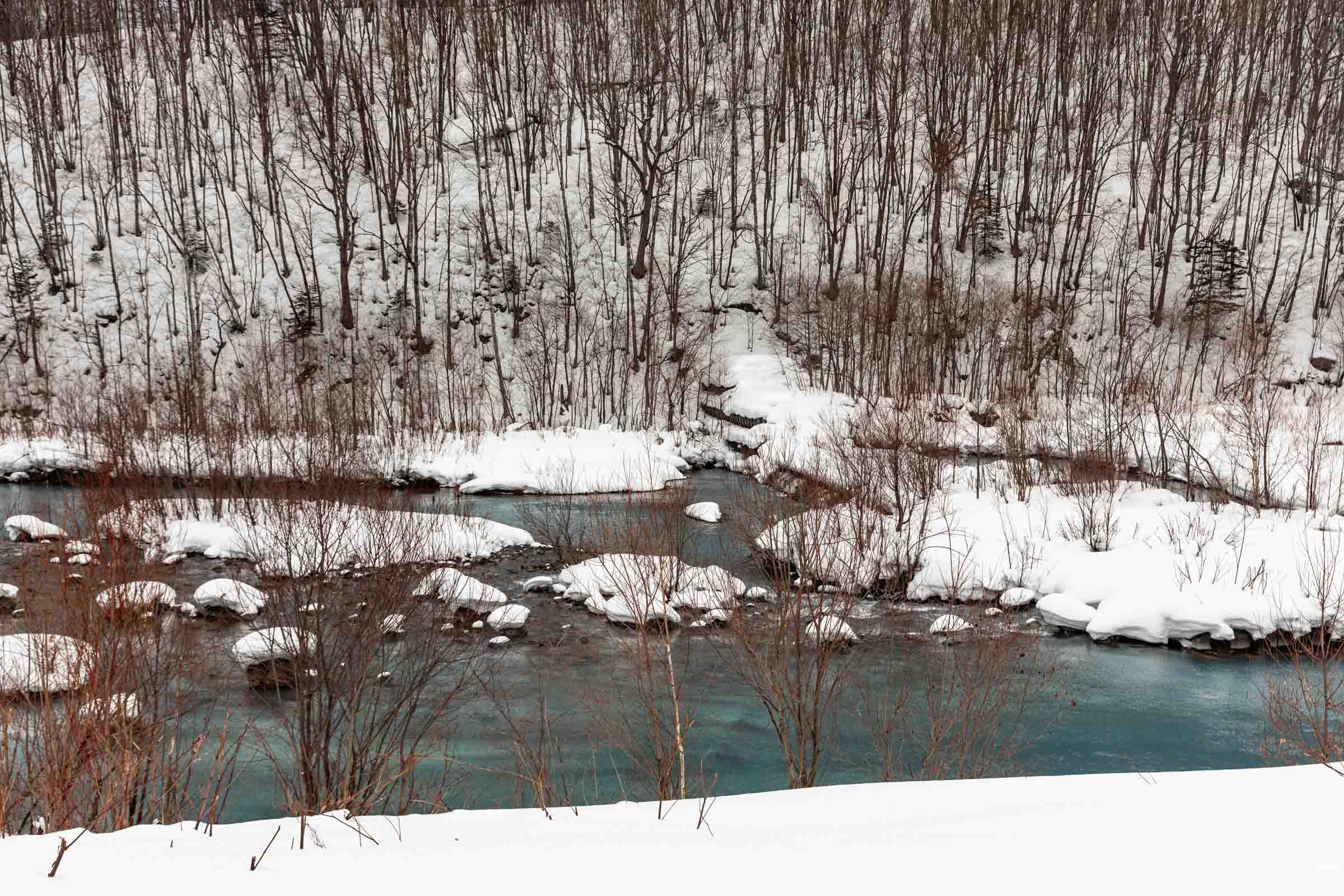
We didn’t do too much sight seeing but was able to see the Shirahige Falls. Park anywhere where there’s open parking and walk along the bridge for the views. For Blue Pond, it only opens at 8am in the winter and it’s paid parking. Definitely go earlier in the season to still see the blueness of the pond because in February, it was snow covered and underwhelming. For us, Shirahige Falls was definitely more spectacular, not to mention free.
Town
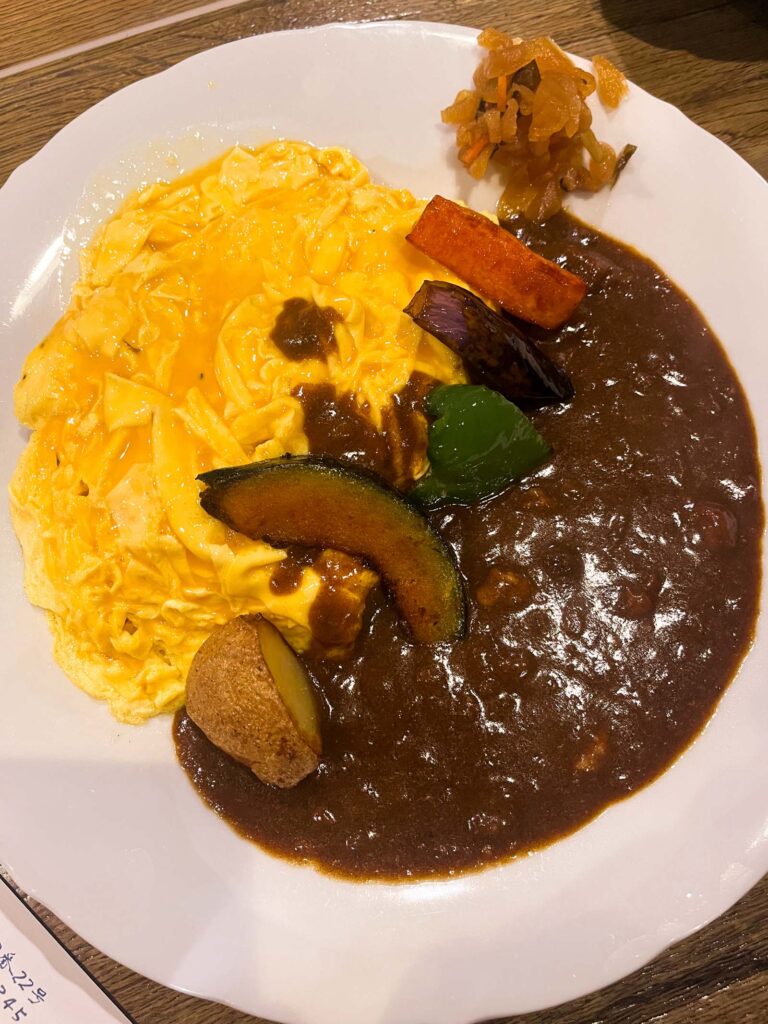
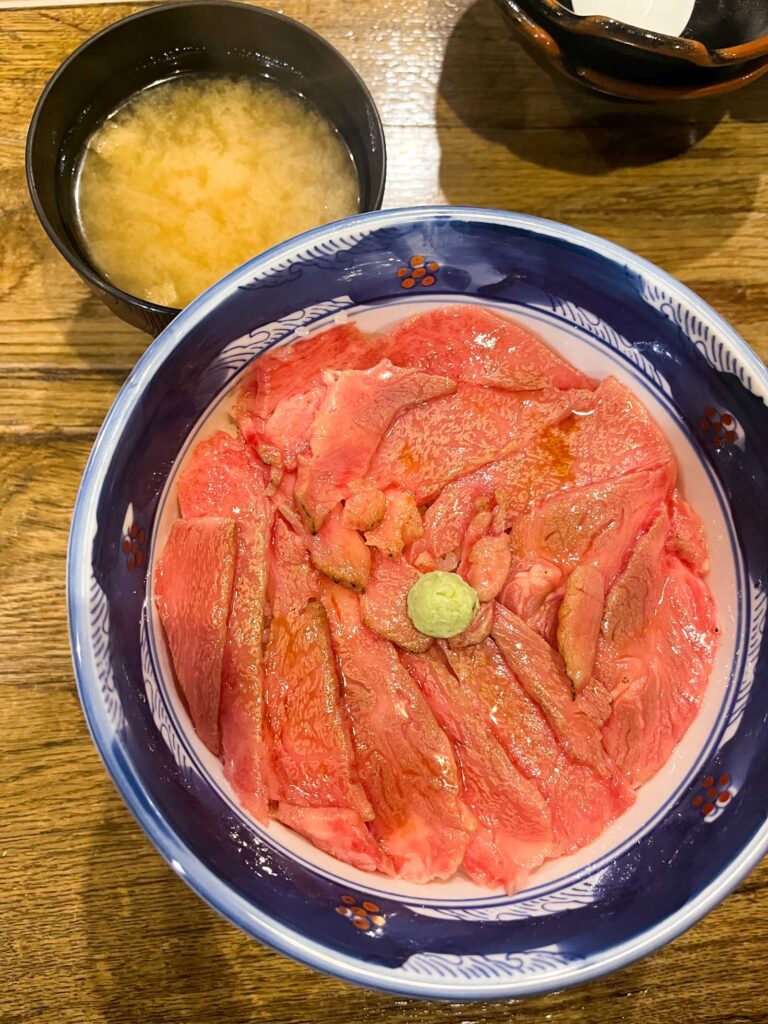
We spent so much time skiing and lounging that we really didn’t spend much time in the town, but here are the places I went to and enjoyed. I would also recommend finding random places on google and checking them out. There’s nothing better than exploring a town on your own without the influence of “the top places to go” lists.
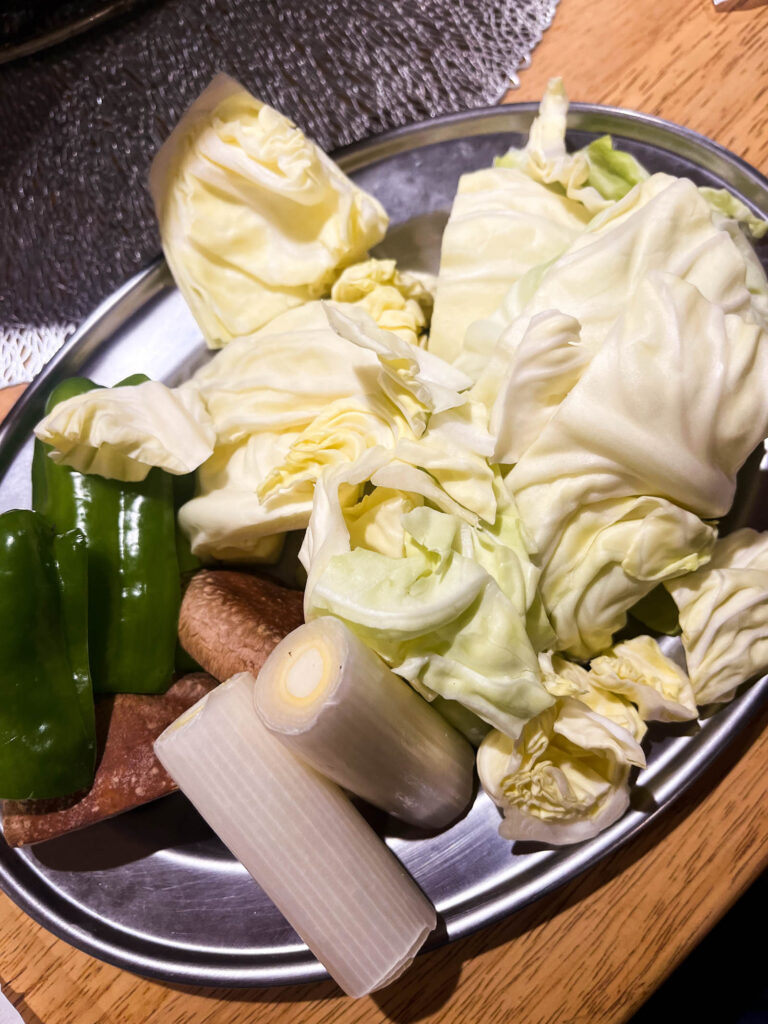
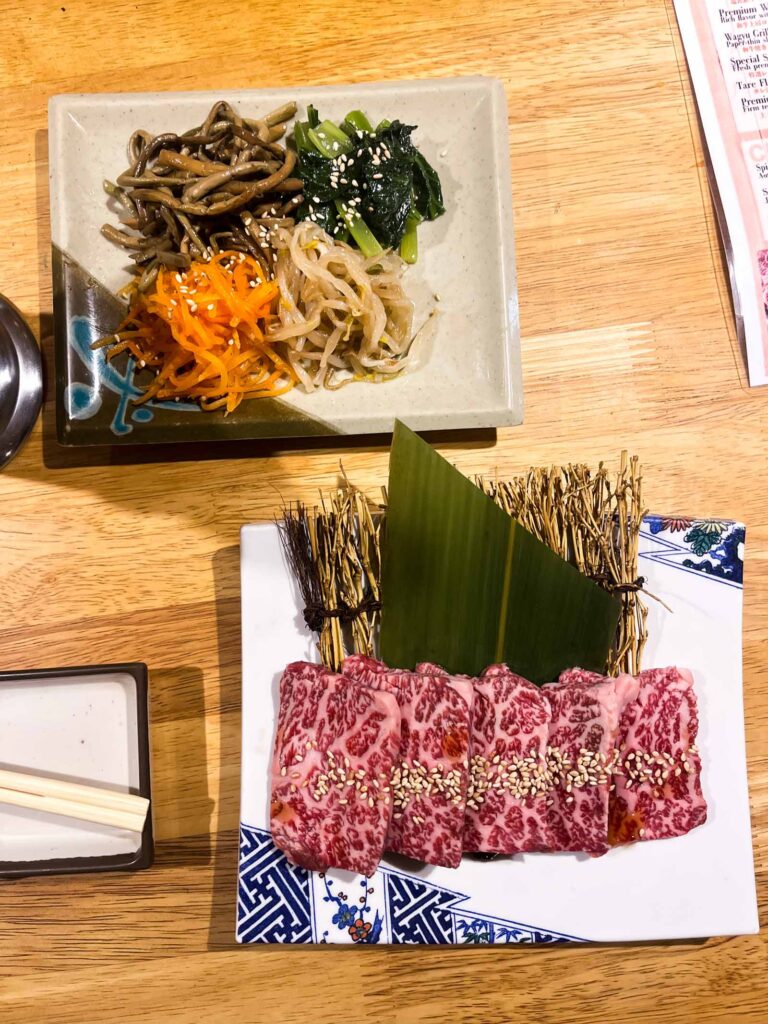
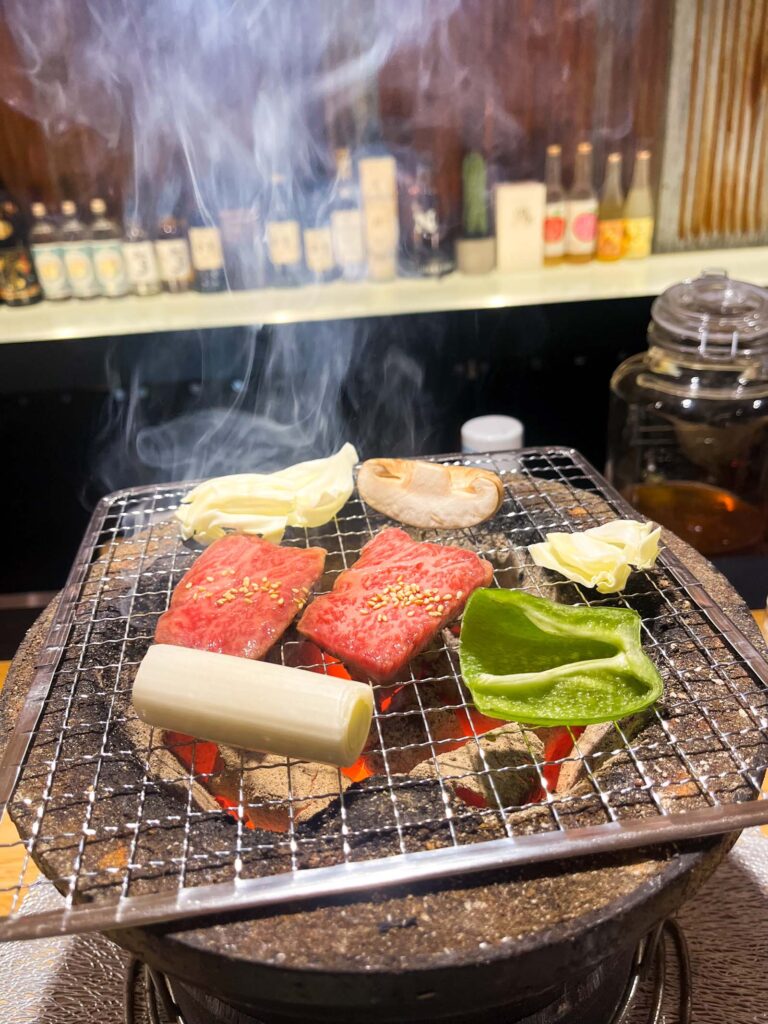
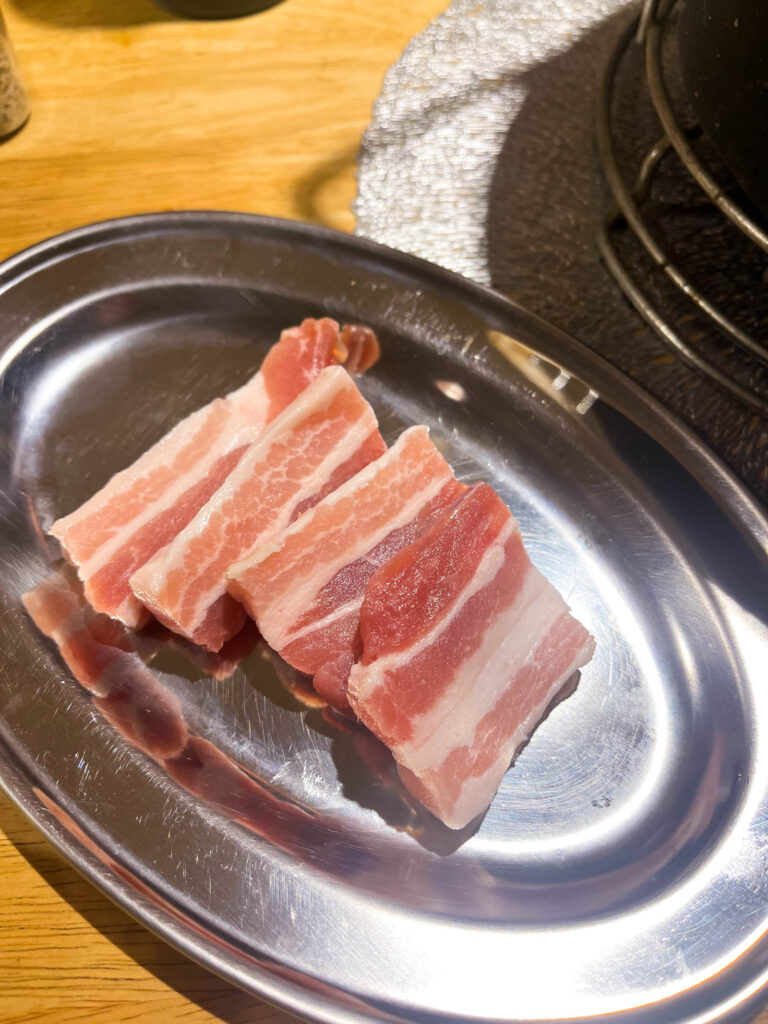
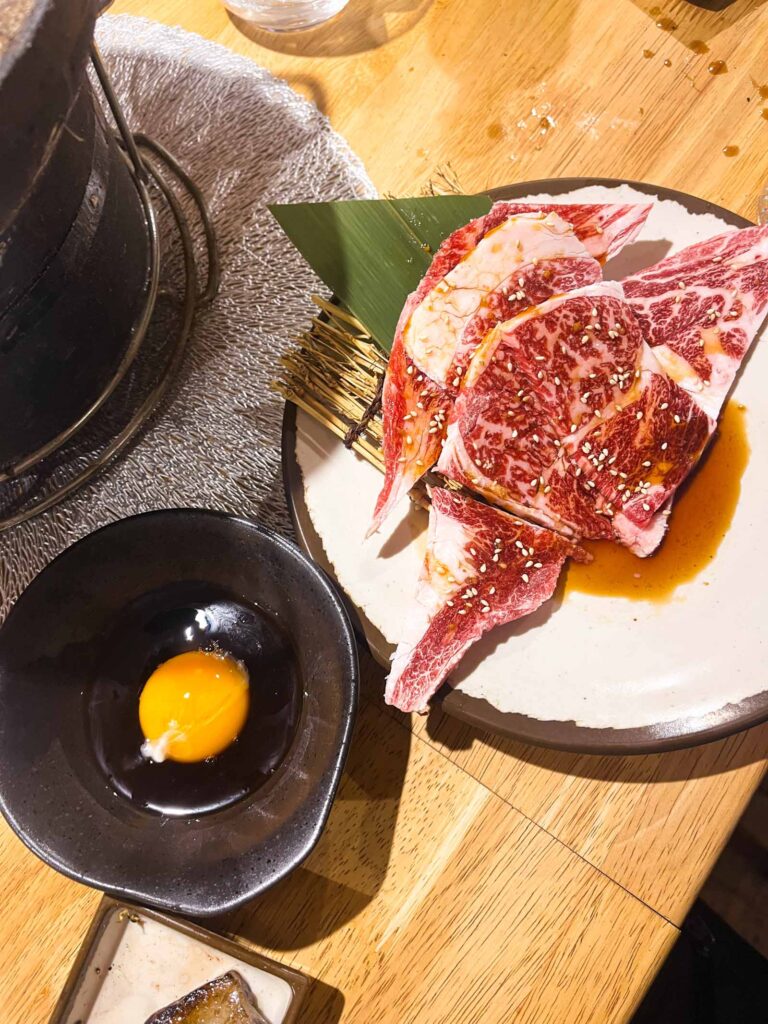
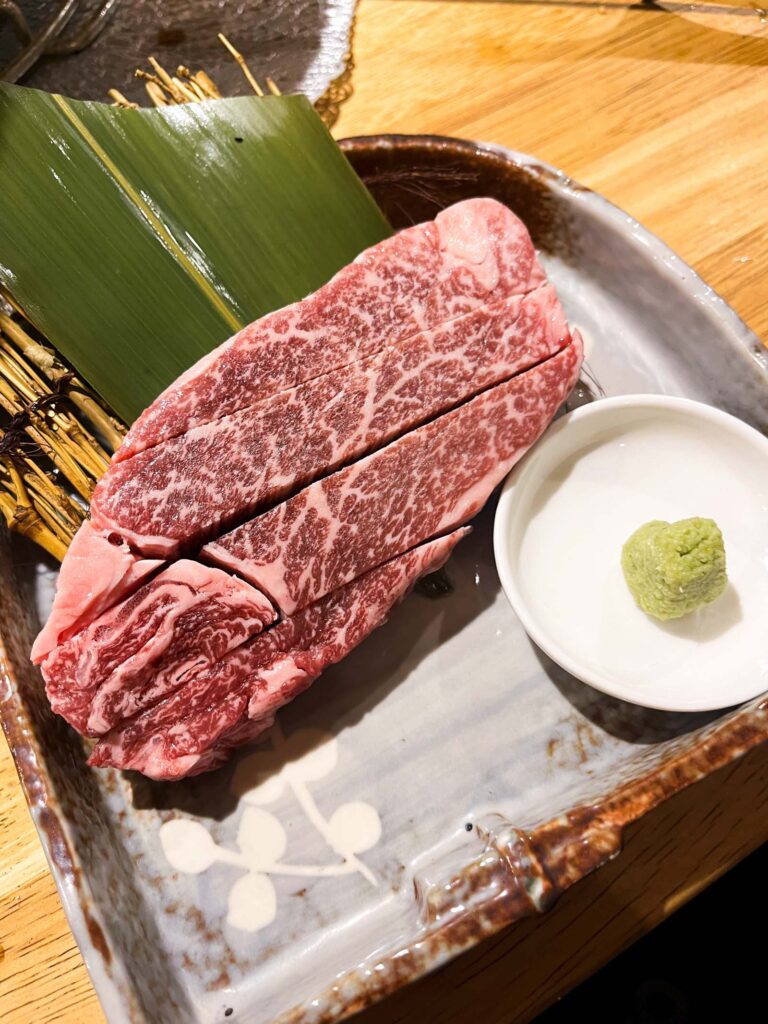
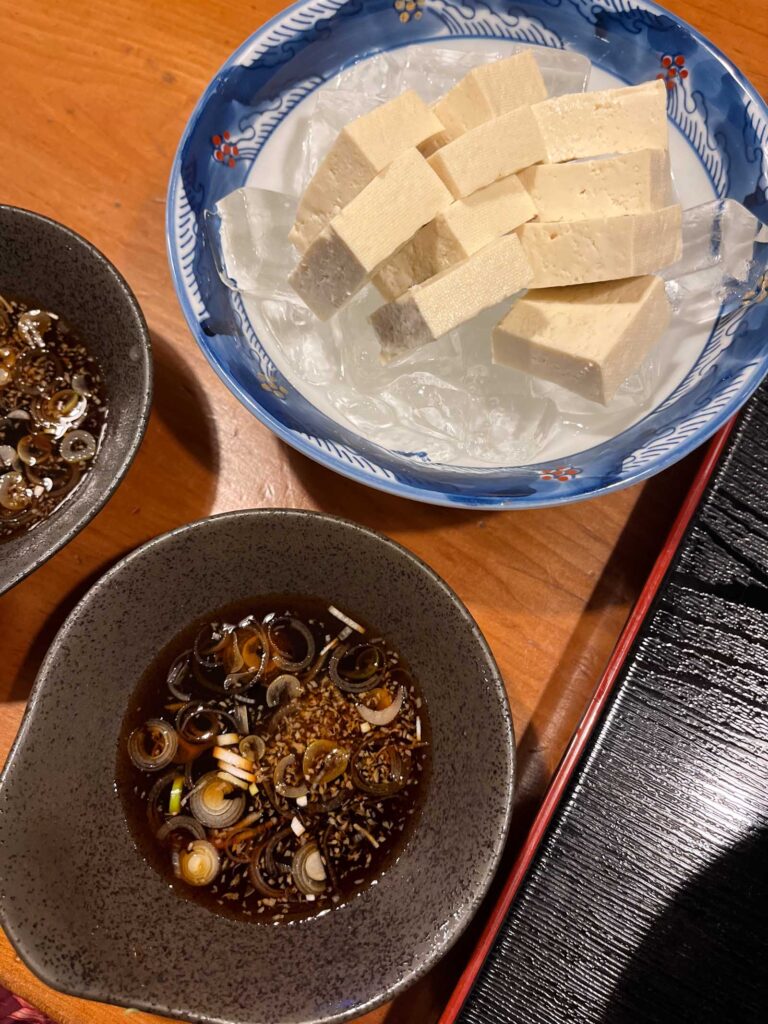
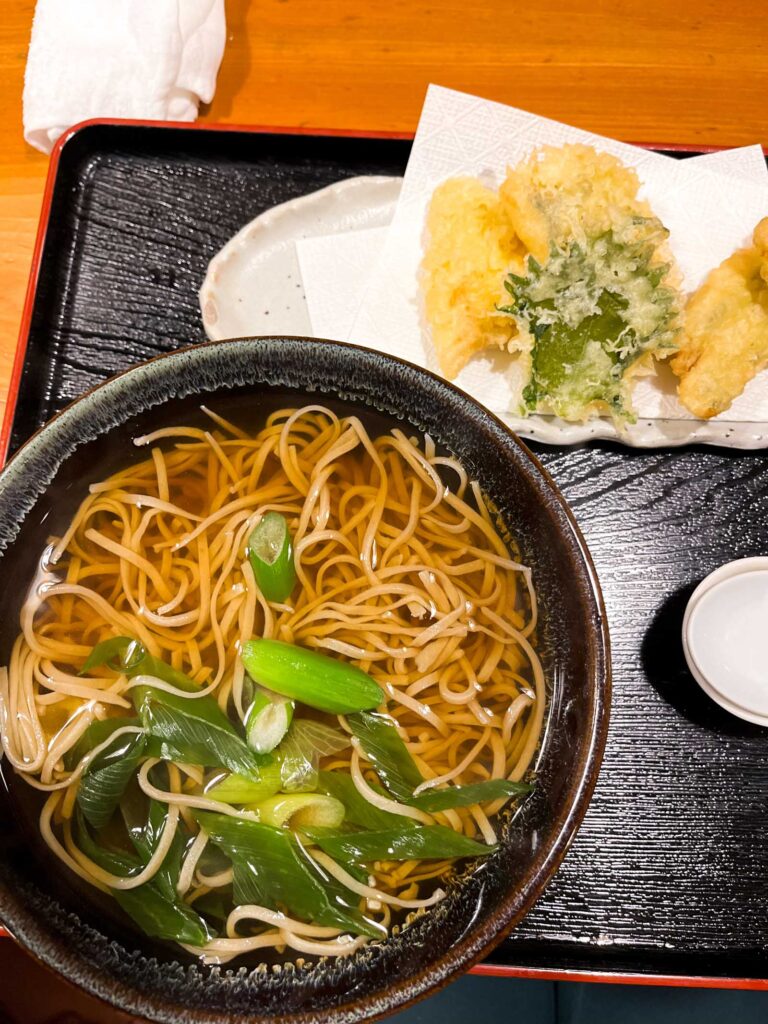
- Dinner: Kumagera (local eats), Furano Terrace (yakiniku), Tsutaya (soba)
- Bakeries: 森のパン屋 アイム Bäcker Mt Wald, Biei Komugi Kobo Bakery
- Lodging: Frontier Furanui Spa (Kamifurano), Furano Prince Hotel (on resort)
Niseko
Niseko Ski Resort
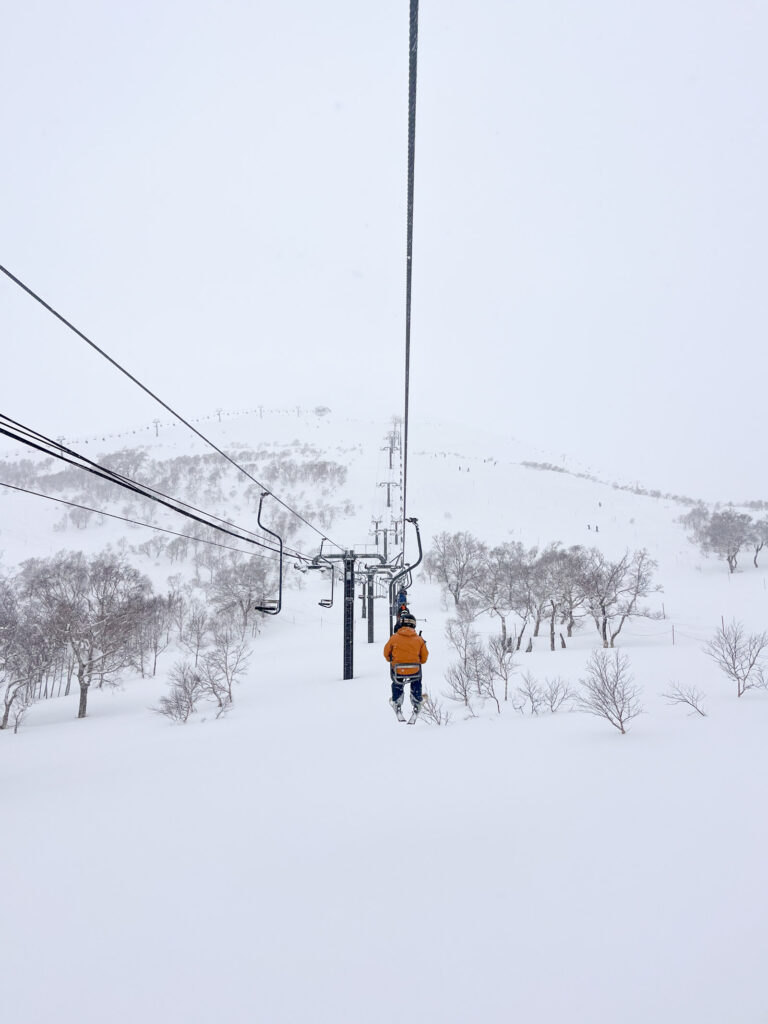
I had a lot of fun skiing at Niseko, even if only for a day. It’s made up of 4 separate areas. We stayed near the An’nupuri (furthest left) side but it’s super easy to get around the whole mountain without driving around which would actually take longer. The An’nupuri slopes are pretty fun and connect to the top of the Niseko mountain to Niseko Village at the bottom. I wasn’t a fan of this area as much since it was very much high-end resort and super flat at the bottom. Then there’s the popular Grand Hirafu area where it’s actually quite an expensive town but plenty of fun skiing to be had throughout the whole mountain here. And lastly, the right most side is Hanazono. It’s a smaller section but the top was plenty fun since we could find some untracked snow more easily.
By and large, the upper mountain was most interesting for me as an advance skier and we rarely made it to the bottom of each section of Niseko United except to just check out the areas. The upper mountain was almost entirely in the clouds the whole day we were there, but that’s probably not unusual given mountain weather. It’s also open and every single run is basically an ungroomed mogel run. Hanazono is best for intermediate-advance runs from top to bottom for maximum fun but it’s also worth just staying on the top half of any part of the mountain and only use the gondolas to get up high from the base. I did really enjoy that Annupuri was our home base because it felt friendlier and less touristy compared to Hiram or Niseko Village.
Ski rental: Niseko Fine (I love that this was cheaper and had a very local vibe of knowledgable ski technicians. They were older and told us to enjoy the snow for them)
Yotei Ski Touring
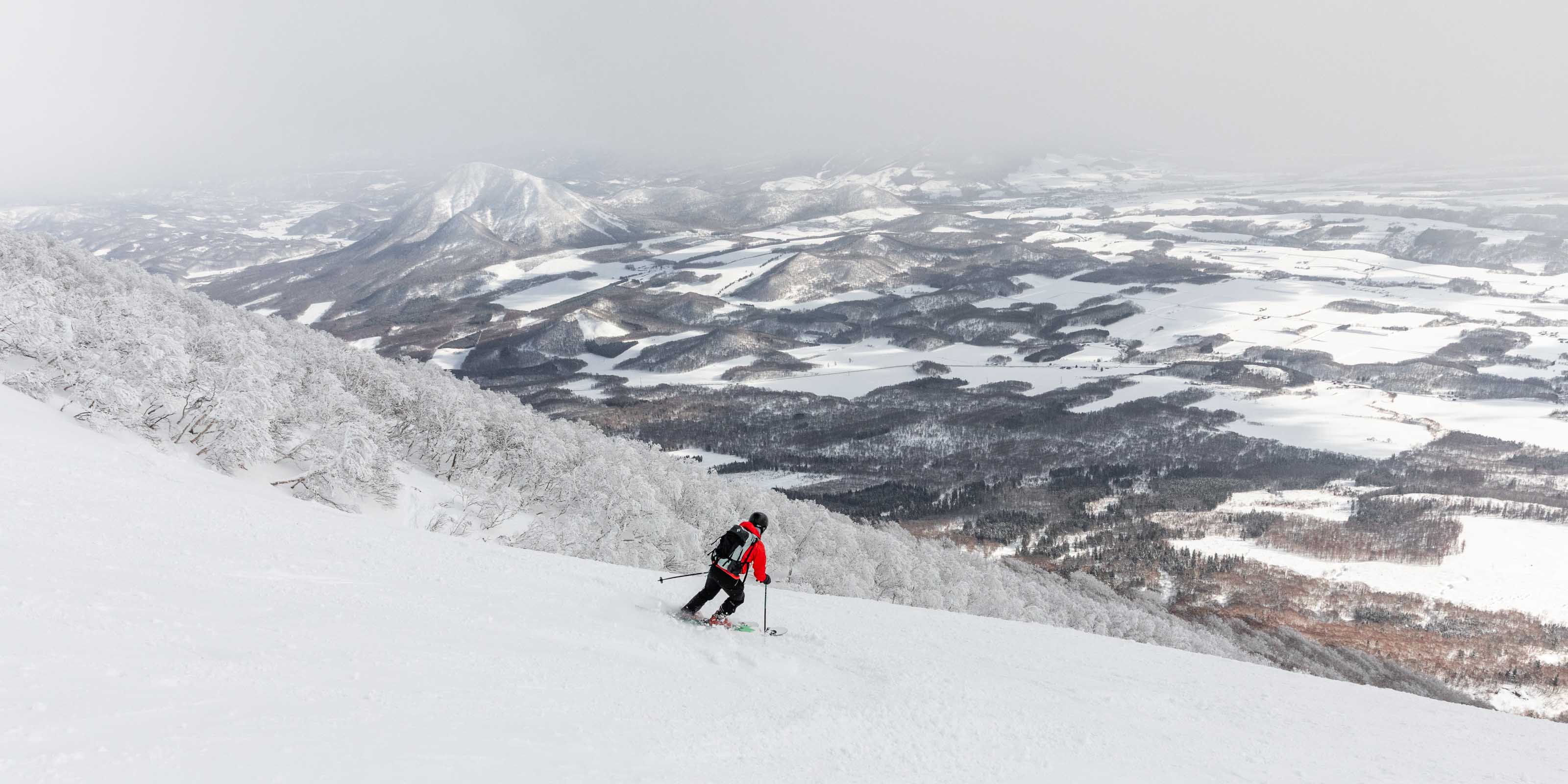
This was by far the biggest highlight of the trip. We were so unsure if we’d make it to the top after so many days of skiing, but we surprised ourselves by making it up in no time, mostly due to a great skin track already set ahead of us. While some of the slopes were hit hard with rime ice, most of the whole mountain was so lovely to ski with sections of deeper powder too. Obviously very condition dependent but it was a great straightforward ski tour with just enough other people around. Not that it means it is safe, but you can feel a slightly confidence boost in knowing that you’re going in a known area. Read more about the ski tour at Yotei.
Town
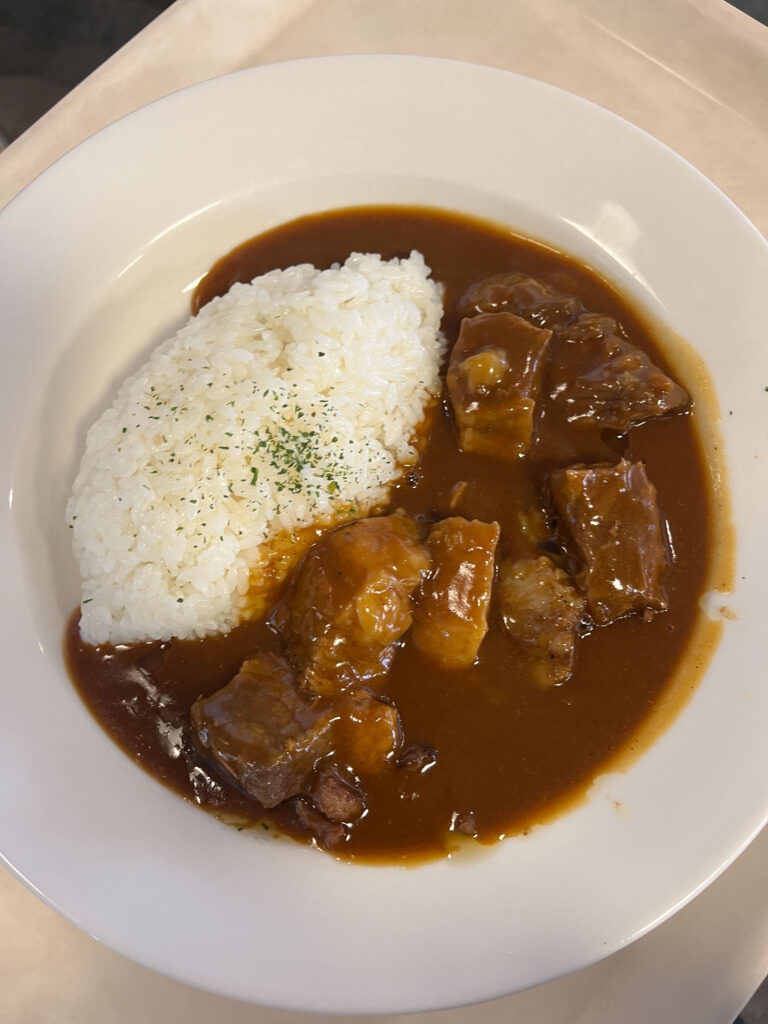
Hirafu is full of very expensive restaurants, catered to foreigners. It seemed like every other restaurant had average prices of $50+ per entree. If you’re able to go further out such as the actual town of Niseko or even Kutchan further north, they’ll have more local eats at a reasonable price.
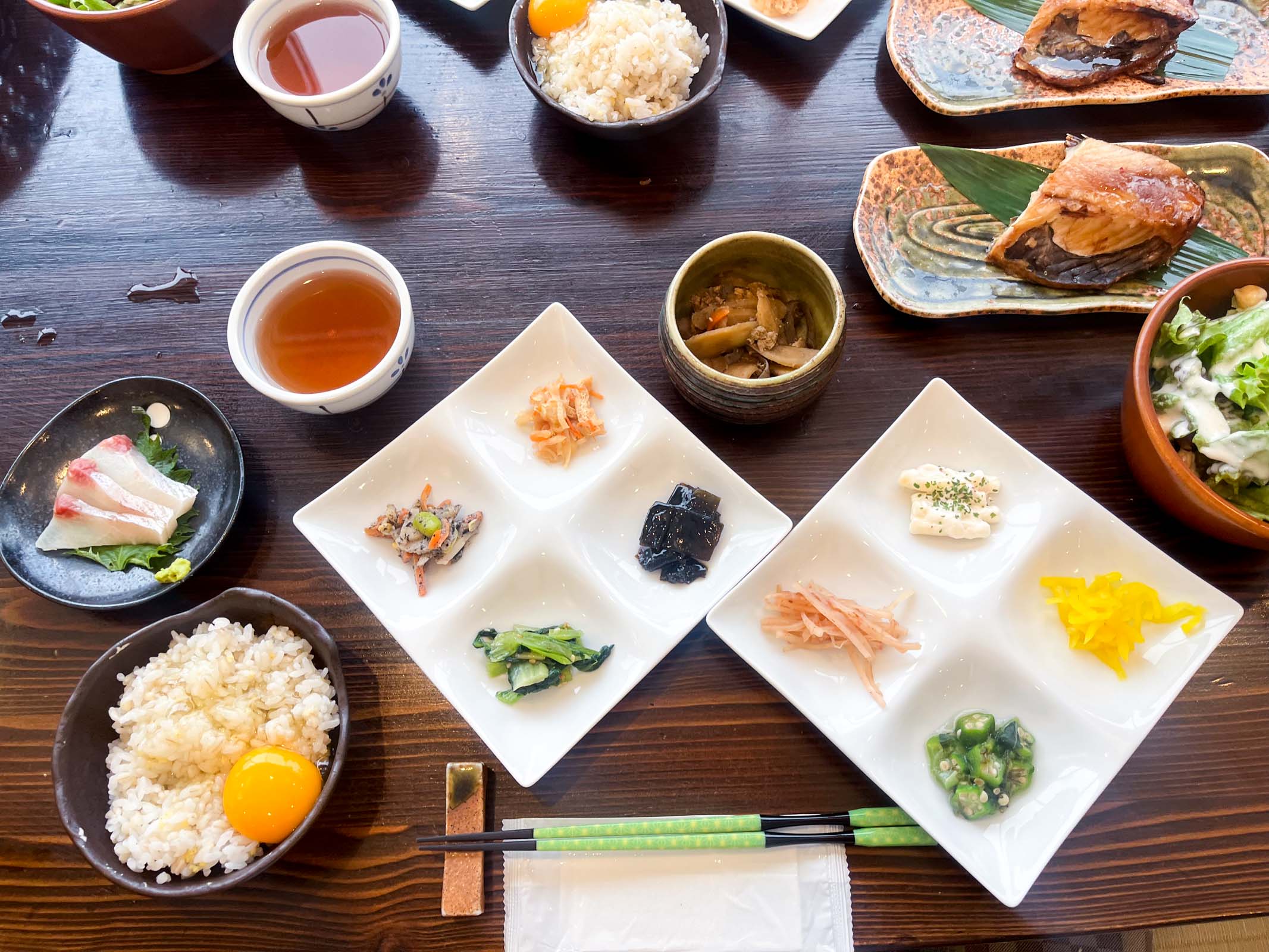
I stayed in Niseko Annupuri Onsen Yugokorotei and it was so great! It was relatively less expensive in the area for a ryokan (traditional spa and inn). It had an outdoor spa, which was so beautiful with the snow. We opted for breakfast every morning and it was so delicious and filling!
I hope this helps you plan your next Hokkaido ski trip!
Photos taken on Canon 5D Mark IV and iPhone 13mini

You May Also Like
36 hours in phuket and phi phi islands
ghost of yōtei | ski tour via makkari