puget sound low tide photo journal
If you’ve been around my blog or instagram for long, you might have learned that I started getting into photography through macrophotography, specifically for flowers. And while I do a lot of landscape photography and professionally I’m an elopement photographer, I still love finding the details in the small things. I’ve been finding myself still taking lots of photos of wildflowers and most recently, I took advantage of the summer low tide in the Puget Sounds and got to familiarize myself with a few new creatures. I’m by far not versed in marine wildlife but here are just a few cuties that I got to enjoy in the low tide!
This week, we had an extreme low tide of -4.2 ft in Seattle. In general you want to see the best low tide at least -2 ft or lower, but you can still see tide pools at higher low tides. Tides change dramatically day to day depending on the pull of the moon and lowest tides happen around new or full moon every month. Throughout the calendar year, the absolute lowest occurs in the summer near the solstice. It’s beneficial to go 30 minutes to an hour prior to low tide to see creatures pop out clearer. When the tide comes up it’s often murkier water and less as enticing than a receding tide. Go with either waterproof boots or water shoes.
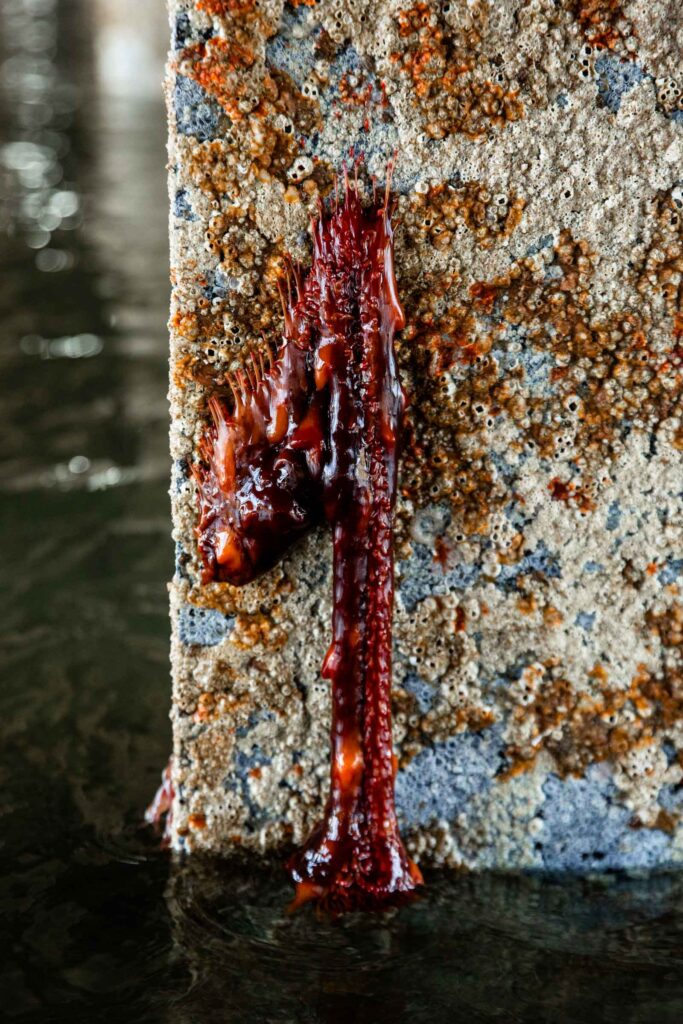
Tide pools don’t just happen on the beach — they can happen on anything rocky, natural or manmade. So things like piers and breakwaters are perfect too.
As a fairly new beginner to tide pools, that’s all I have to suggest, so without further adieu, here are some tide pool creatures you can see in the Puget Sound!
Sea Stars


Leather seastar (Dermasterias imbricata)


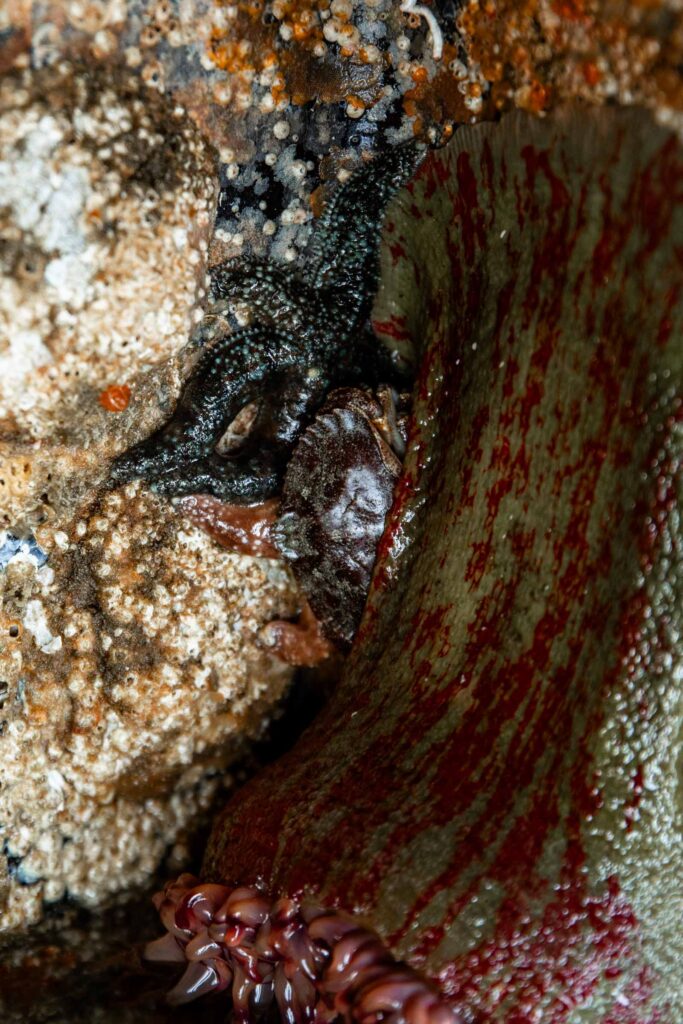
Ochre star (Pisaster ochraceus)
I did a little research on ochre sea stars when I was doing kayak guiding in the Puget Sound and I think one of the most fascinating facts is that there’s no rhyme or reason why some are purple and some are orange. And that they are a keystone species in the PNW. The little star is on a sand collar (left from a moon snail).


Mottled Sea Star (Evasterias troschelii)
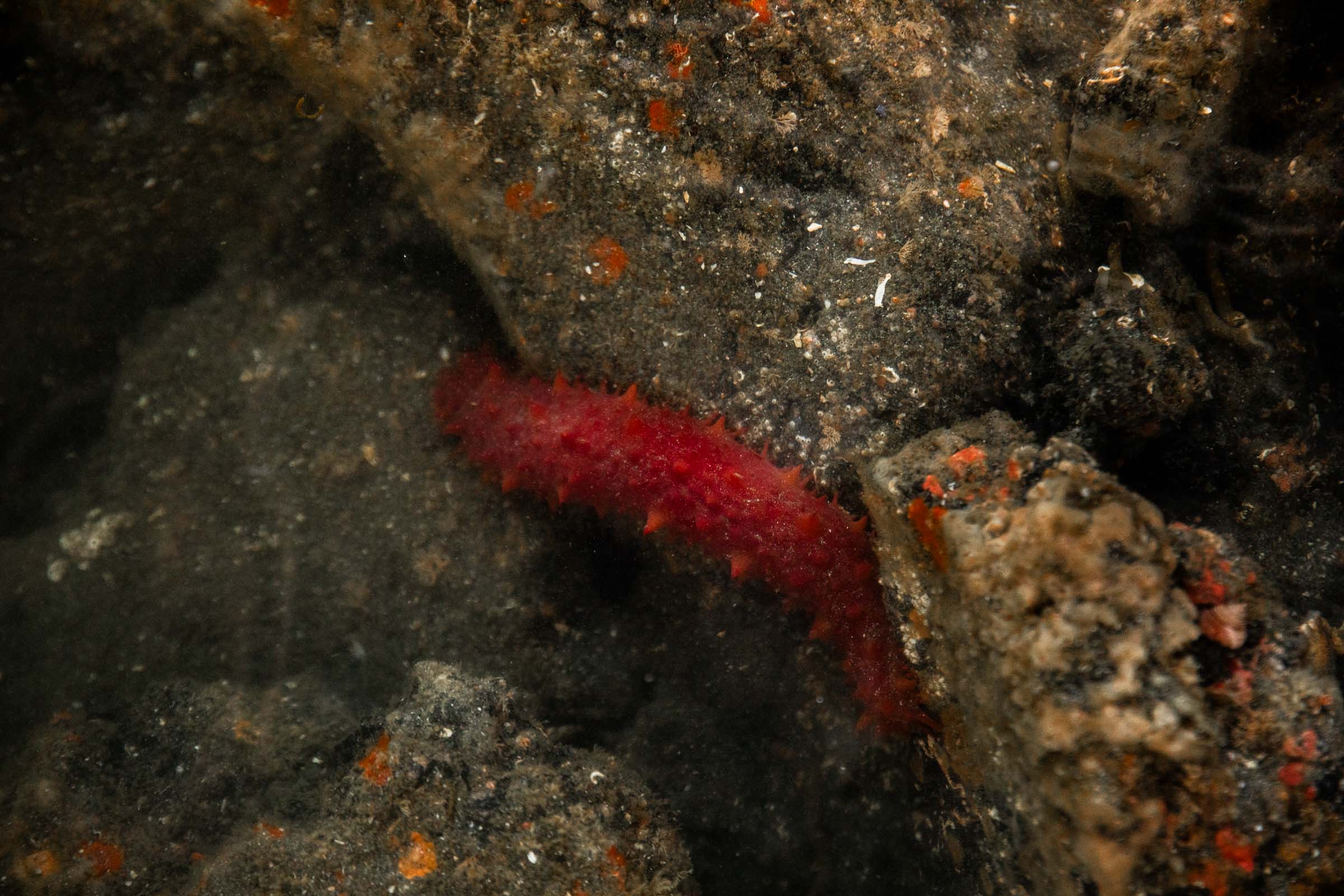
California sea cucumber (Apostichopus californicus)
Cnidarians (Sea Anemone, Jellyfish, Sea Pens)


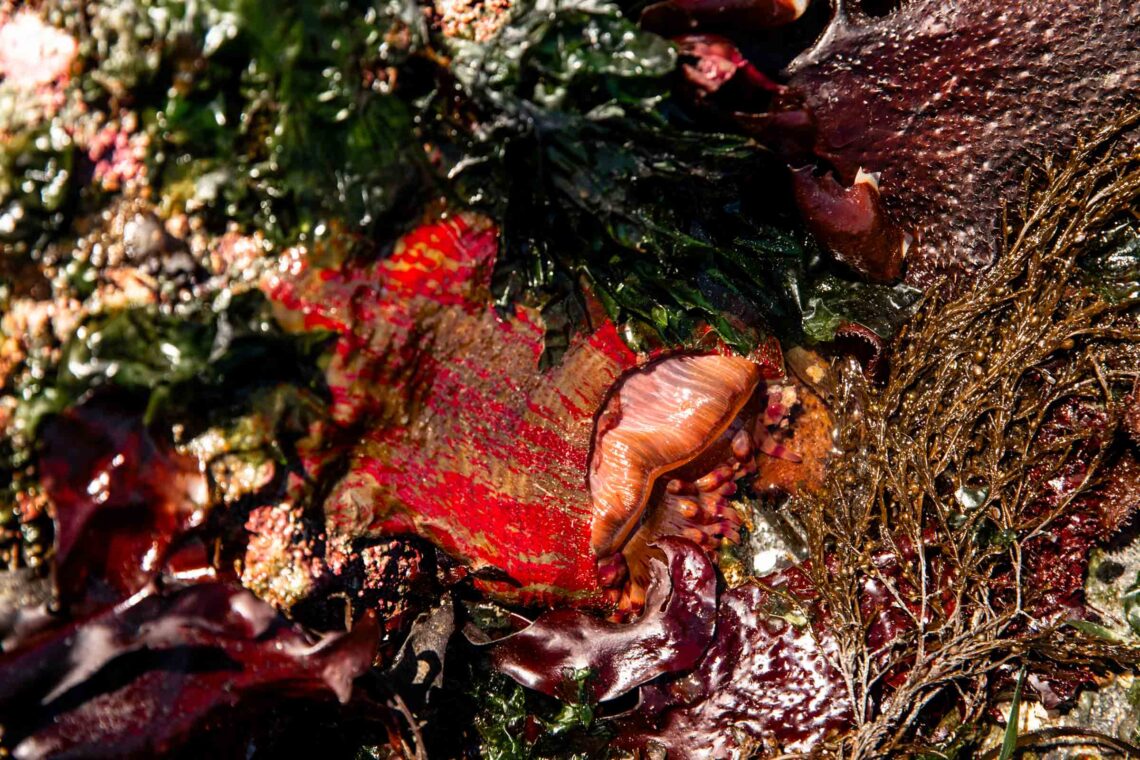
Christmas Anemone (Urticina crassicornis)
I took one look at it and decided it must be called Christmas anemone because of its coloring and it actually was the real name! It is sometimes also called painted anemone or mottled anemone. I’m not 100% sure that these are all the same, but there were quite a few.


Giant Plumose Anemone (Metridium giganteum) or Plumose Anemone (Metridium senile)
These can be white or orange, but are known for their feathery characteristic. I’m not 100% sure of the more orange one, but it seems to be at least similar.


Orange Sea Pen (Ptilosarcus gurneyi)
They’re apparently a big food source and have predators like the sea star and nudibranch. Read more on ecology.wa.gov
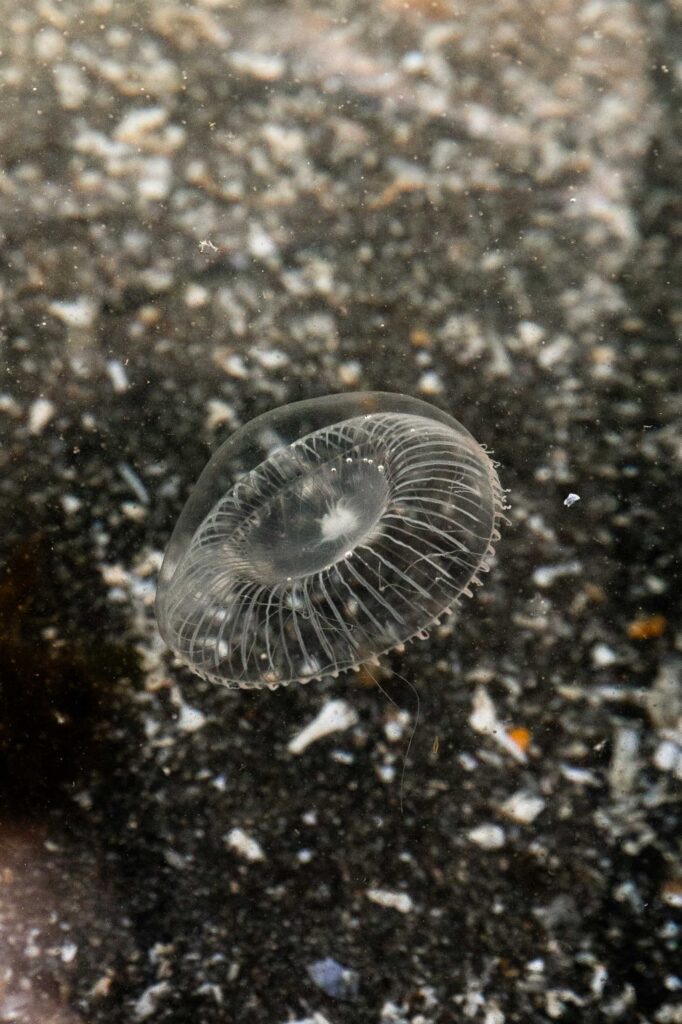
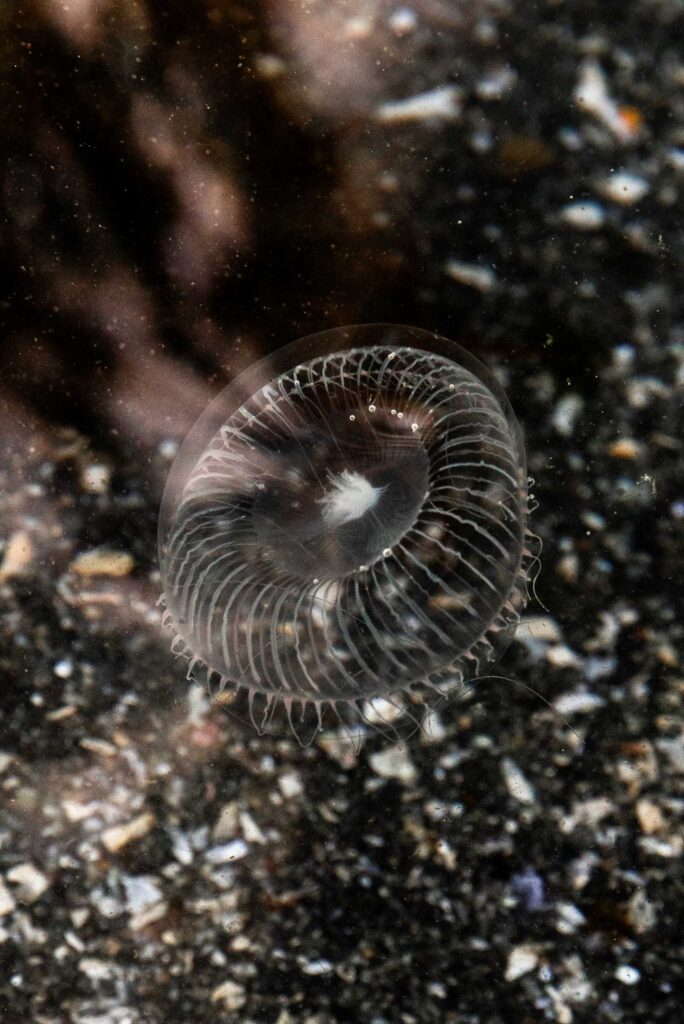
Crystal Jellyfish (Aequorea victoria)
I read that these glow in the dark. So it is worth going out at night at lower tides to see bioluminescence in the Puget Sound! I feel like a night kayak session is calling.
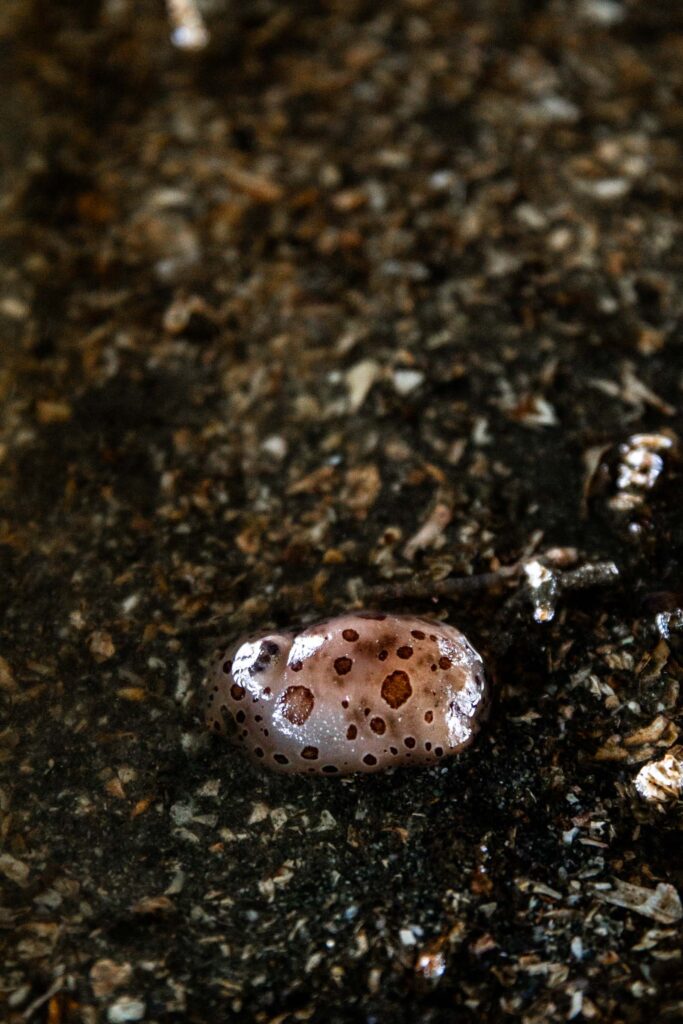
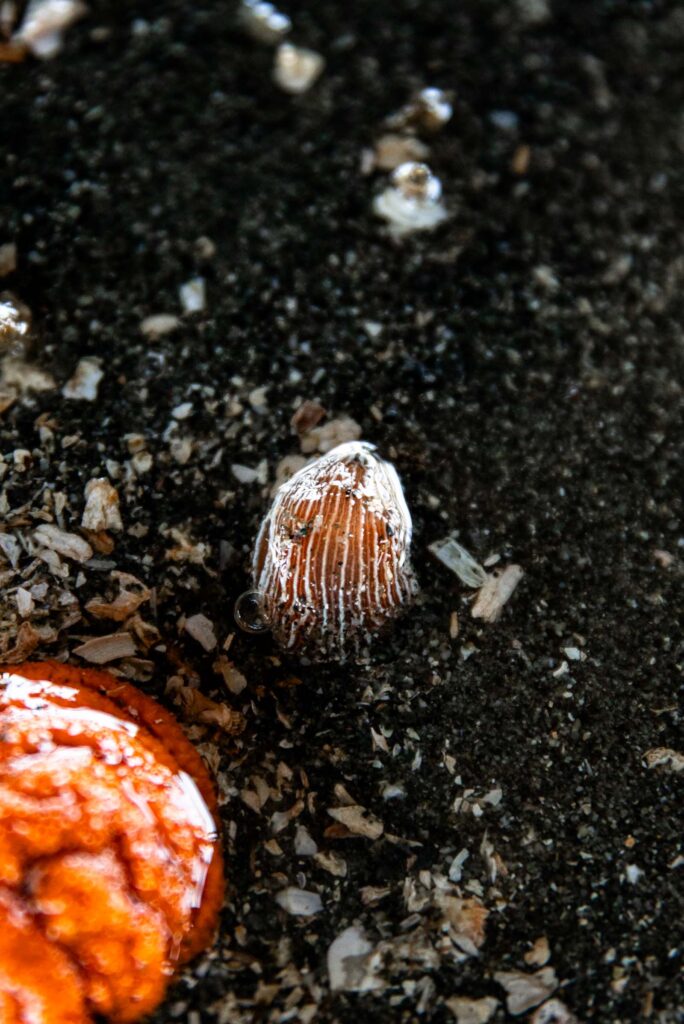
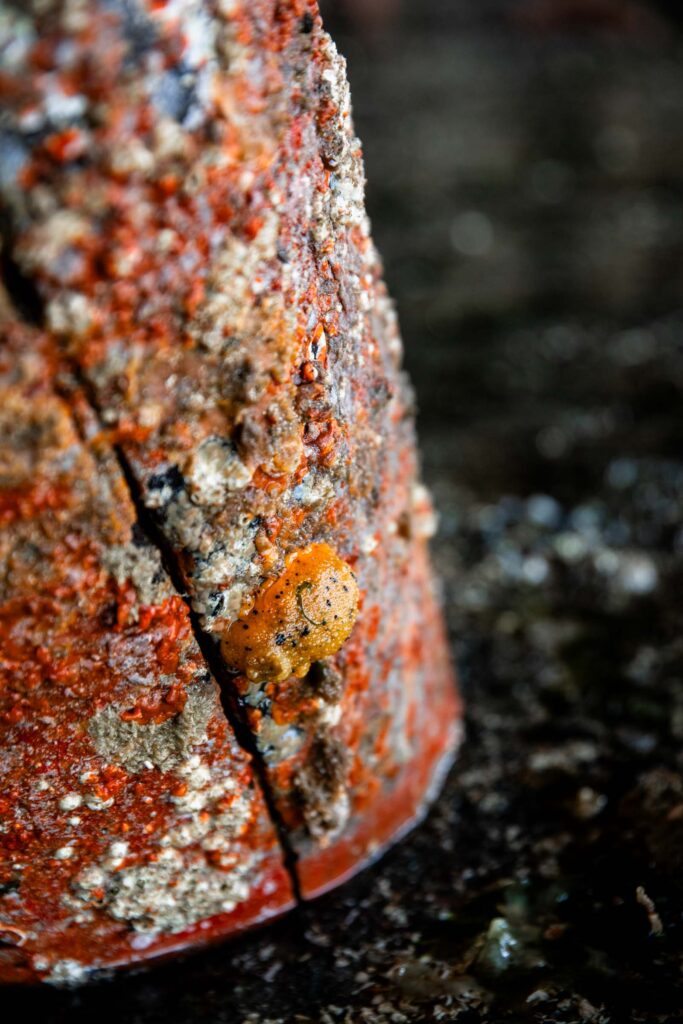
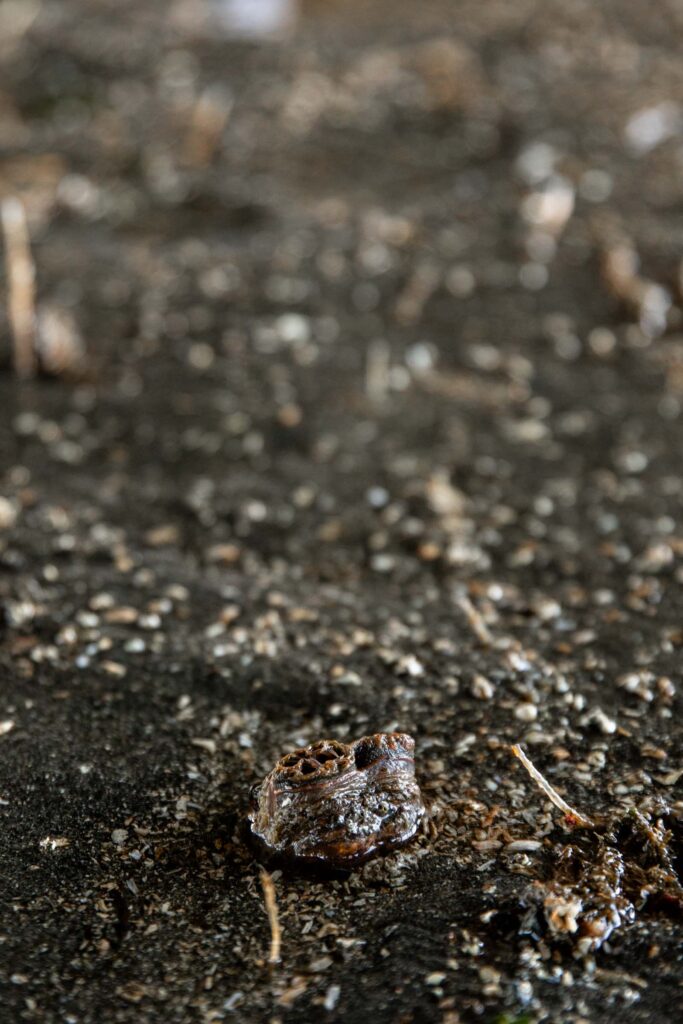
MolluscsNudibranch)
This might one of the more well-known phylums of marine life and it encompasses creatures like squid, octopus (but not jellyfish), clams, sea snails, and sea slugs. But one of the common things you’ll find in a tide pool that people get excited about are different varieties of nudibranch (sea slugs)


Golden Dirona (Dirona pellucida)


Northern Opalescent Nudibranch (Hermissenda crassicornis)
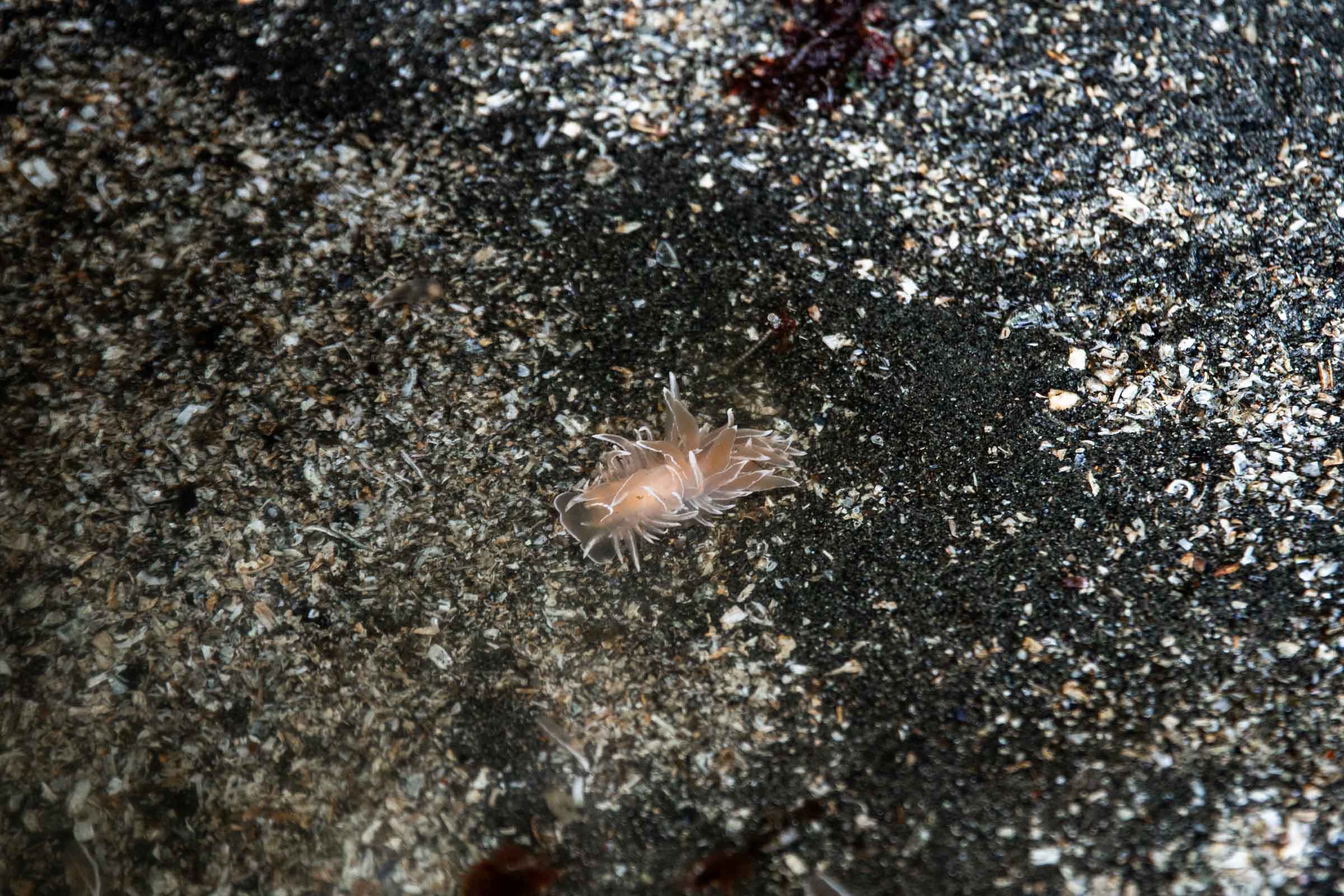
Frosted Nudibranch (Dirona albolineata)
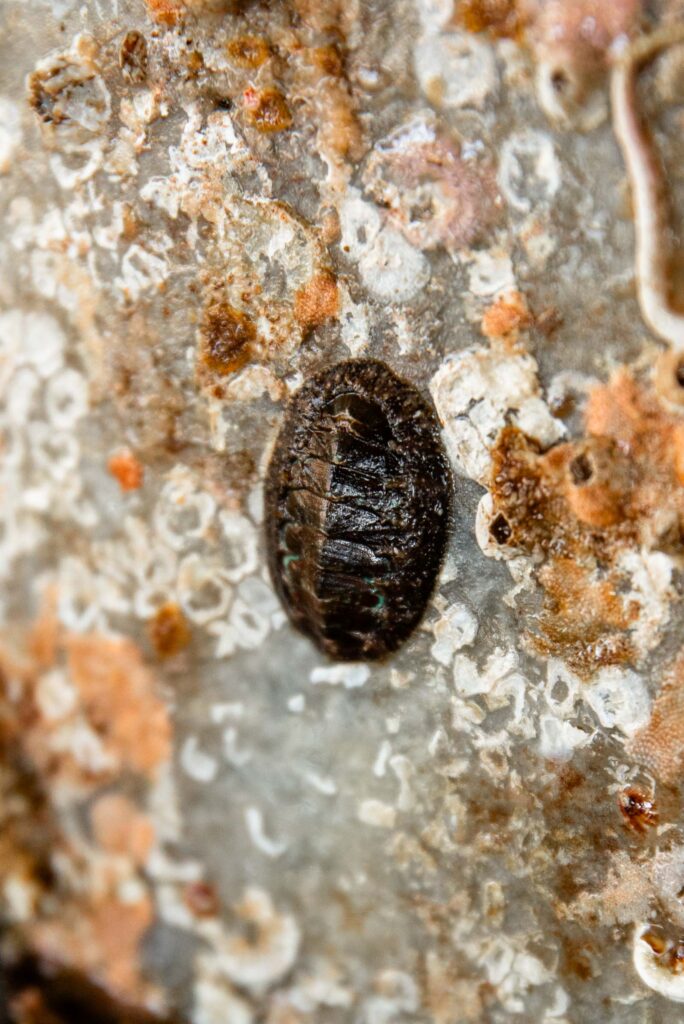
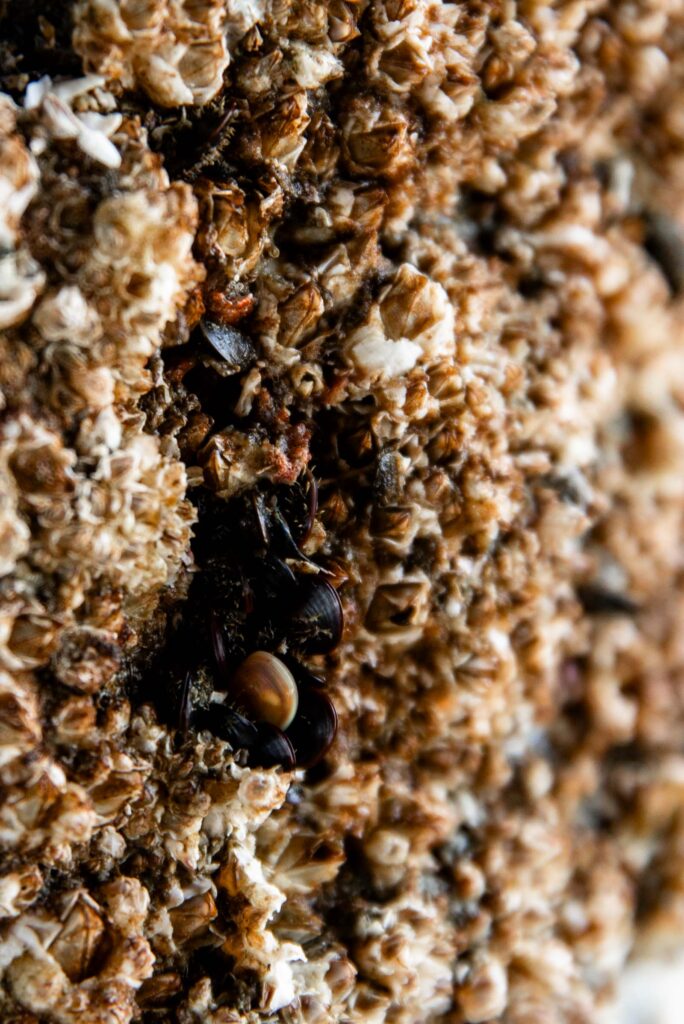
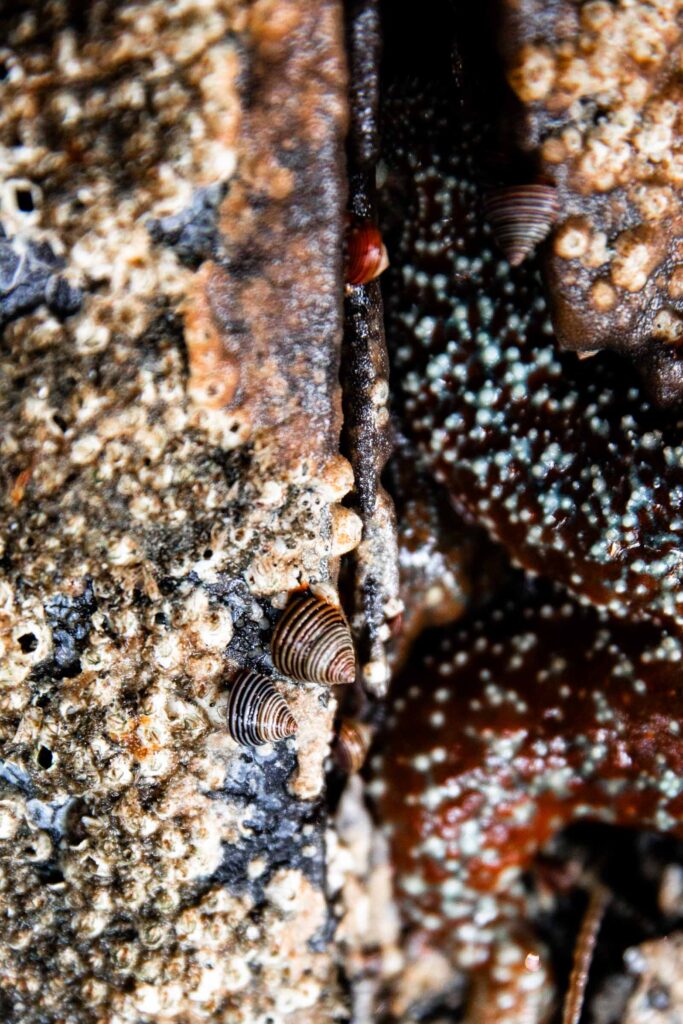
Arthropods (Crab)


Graceful Decorator Crab (Oregonia gracilis)
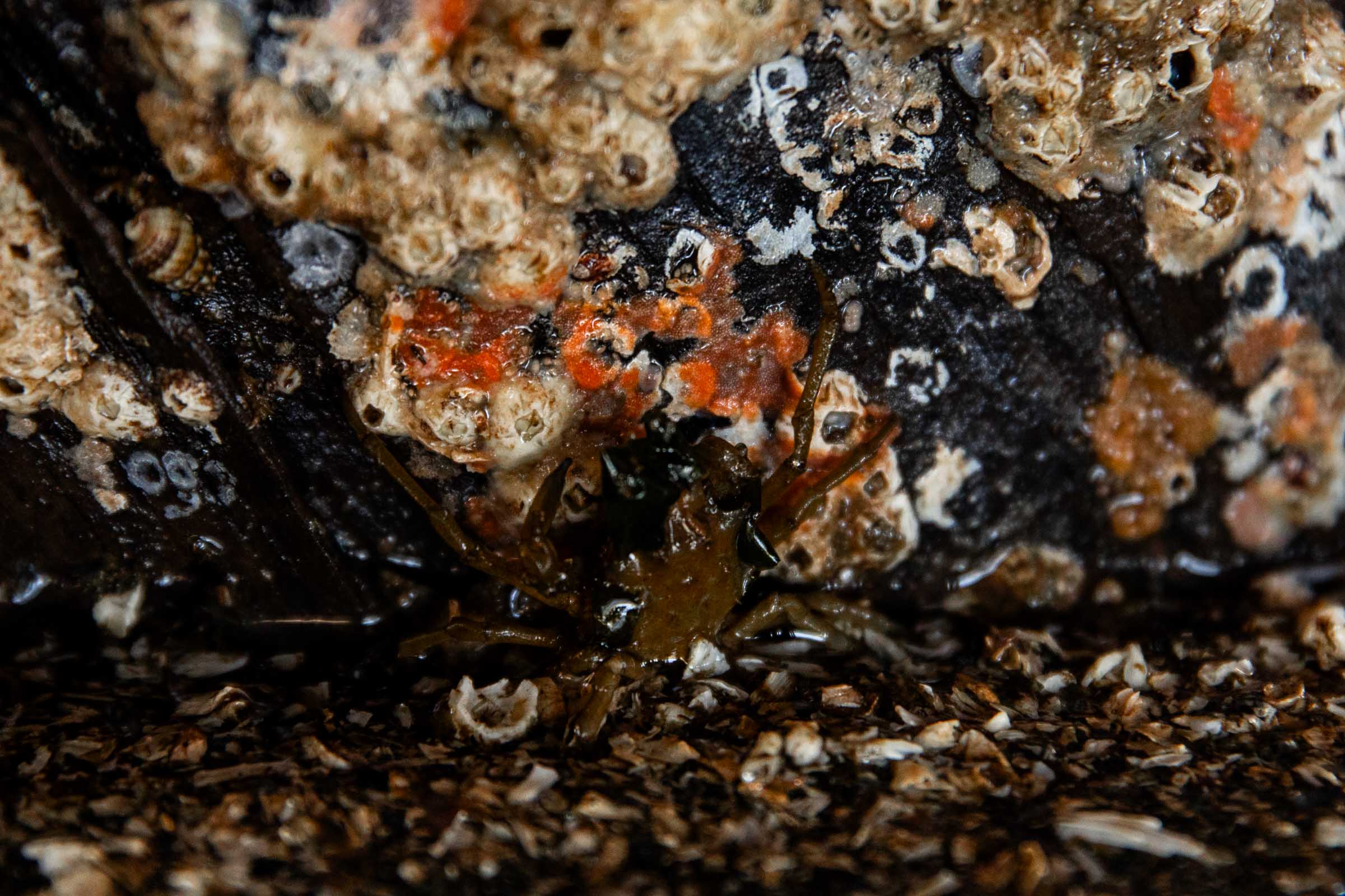
Northern kelp crab (Pugettia producta)
I hope these images from a single day of tidepooling inspire you for your next tide pool outing! Don’t forget to check the timing of the low tides. You can use NOAA, US Harbors, or any other forecast you prefer. Be kind and gentle with nature and watch your footing as you head out. Ask questions and engage with other observers as you learn together. It’s part of the fun to learn from people who might know more.
Photos taken on Canon 5D Mark IV


You May Also Like
the ultimate 2-day backpacking itinerary to see the Olympic National Park
chasing lupine | 2 day spring itinerary in san francisco